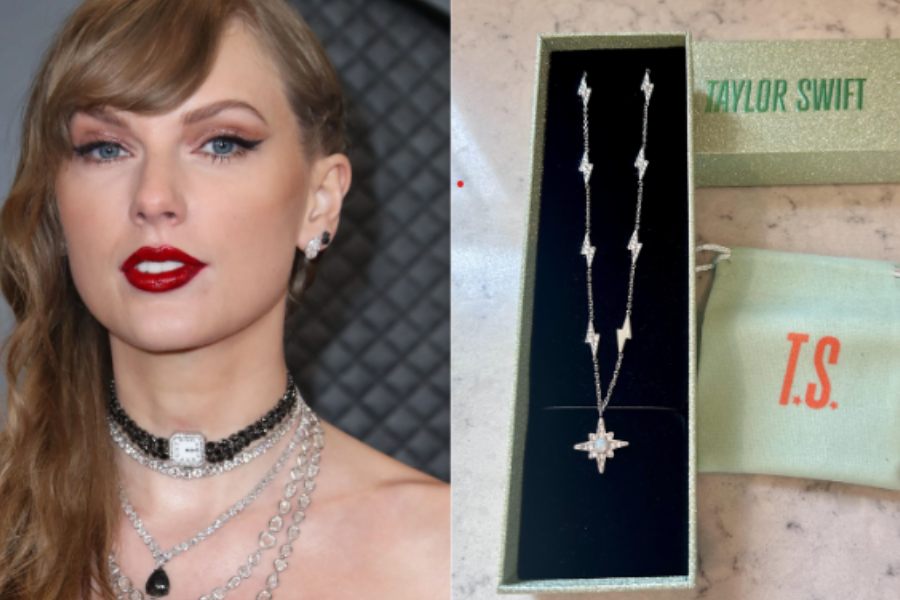
Taylor Swift Necklace Controversy: Inside the 2025 Misinformation Campaign, Online Rumors, and Bot-Driven Backlash
The Taylor Swift necklace controversy refers to a 2025 wave of online misinformation and conspiracy theories falsely linking Taylor Swift to political extremism, including fabricated claims about a necklace, which were amplified by coordinated bot activity and niche online forums before spreading across major social platforms.
In early 2025, researchers and media investigations revealed that this surge of false narratives was not organic. Instead, it was part of a coordinated online influence operation that attempted to misrepresent Taylor Swift’s public image. The so-called taylor swift necklace controversy quickly became a viral talking point, even though it was built on manipulated content, distorted interpretations, and entirely baseless claims.
Understanding the Taylor Swift Necklace Controversy
The taylor swift necklace controversy emerged when misleading posts began circulating online, falsely suggesting that Taylor Swift had promoted extremist or politically charged symbolism through accessories she wore, including a necklace that was taken out of context.
According to a 2025 investigative report referenced by major outlets, including The Guardian, the narrative was not based on verified evidence. Instead, it was constructed through fragmented images, edited interpretations, and conspiracy-driven discussions that originated in smaller, fringe online communities.
What started as niche speculation was later amplified into a widespread digital rumor, showing how quickly misinformation can evolve in the social media era.
How the Rumor Began: From Fringe Forums to Viral Spread
The origins of the taylor swift necklace controversy can be traced back to obscure online spaces such as anonymous forums and image boards, where users often share unverified claims and speculative theories.
Researchers found that:
- Initial discussions began in small fringe communities like 4chan-style forums
- Posts misinterpreted images and symbolic meanings attached to celebrity fashion
- These interpretations were later repackaged and shared on mainstream platforms
Once the content left its original environment, it began to evolve rapidly. Influencers, automated accounts, and engagement-driven pages helped push the narrative into wider circulation.
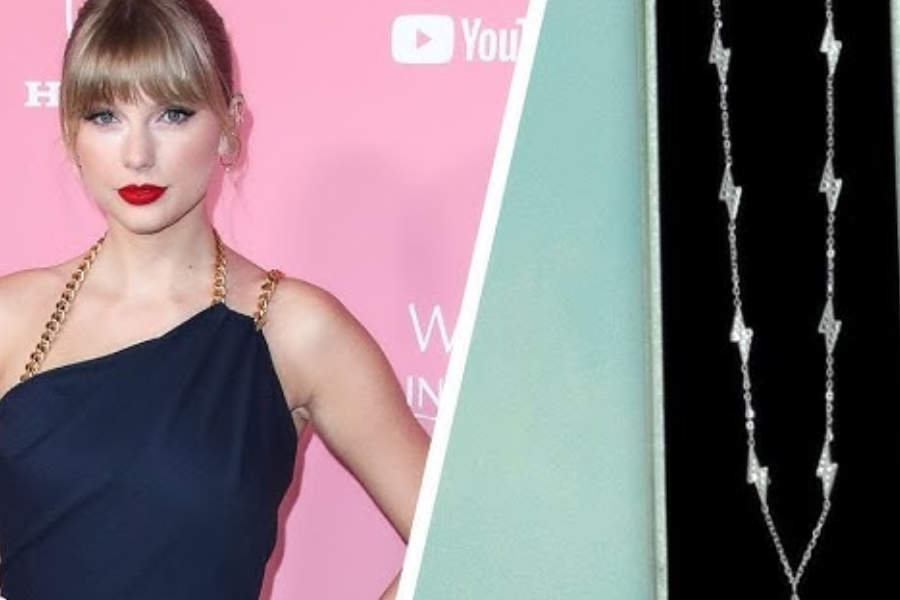
This pattern reflects a common misinformation pipeline:
fringe speculation → social amplification → viral misinformation
The Role of Bot Networks in Amplifying the Controversy
One of the most important findings about the taylor swift necklace controversy is the involvement of automated or semi-automated accounts, often referred to as bots.
A 2025 analysis suggested that around 35% of posts in a 24-hour spike were generated by bot-like accounts. These accounts helped accelerate engagement by repeatedly sharing, commenting, and resharing misleading content.
Key Findings from the Research
- A small percentage of accounts drove a disproportionately large amount of discussion
- Around 3.77% of accounts generated nearly 28% of total conversation
- Many accounts overlapped with other coordinated celebrity-targeted misinformation campaigns
This indicates that the controversy was not a spontaneous public reaction but part of a broader manipulation strategy designed to shape online narratives.
False Political Associations and Conspiracy Theories
Another major element of the taylor swift necklace controversy was the attempt to falsely associate Taylor Swift with extreme political ideologies.
Some online posts wrongly claimed:
- She was promoting hidden political messages through fashion choices
- Specific accessories, including a necklace, contained symbolic meaning
- She was indirectly linked to political movements without evidence
These claims were widely debunked, but by the time corrections appeared, the misinformation had already reached millions of users.
This highlights a key problem in digital culture: false narratives often spread faster than corrections.
Read Also: Durable Door Handle Finishes for
How the Taylor Swift Necklace Narrative Was Manipulated
The controversy gained traction because of how visually-driven misinformation works. In celebrity culture, images are often taken out of context and reinterpreted.
In the taylor swift necklace controversy, several manipulation techniques were used:
1. Image Misinterpretation
Photos were zoomed, cropped, or edited to emphasize unrelated details like jewelry.
2. Context Removal
Outfits and appearances from different events were mixed together, creating false associations.
3. Emotional Framing
Posts were designed to provoke outrage or shock, increasing engagement.
4. Repetition Strategy
Repeated posting of the same claims created a false sense of credibility.
These methods are common in coordinated online misinformation campaigns.
Why Taylor Swift Became a Target
Taylor Swift is one of the most influential global celebrities, which makes her a frequent target for online narratives.
There are several reasons she was central to the taylor swift necklace controversy:
- Massive global fanbase and media visibility
- Frequent coverage of her fashion and public appearances
- High engagement across social platforms
- Polarizing reactions from different online communities
High visibility often makes public figures more vulnerable to misinformation campaigns because any small detail can be exaggerated into a viral story.
The Role of Social Media Algorithms
Social media platforms played a significant indirect role in spreading the taylor swift necklace controversy. Algorithms prioritize content that generates engagement—likes, shares, comments, and reactions.
This creates a system where:
- Sensational claims spread faster than factual corrections
- Emotional content is prioritized over accurate reporting
- Viral trends can emerge even from false information
As a result, misleading posts about Taylor Swift’s necklace gained traction because they were highly engaging, not because they were true.
Research Findings: Coordinated Online Behavior
The 2025 research report highlighted patterns that suggest coordination rather than organic discussion.
Key insights include:
- Sudden spikes in activity within short timeframes
- High repetition of identical talking points
- Cross-platform sharing of the same narratives
- Overlap with other celebrity-focused misinformation campaigns
These patterns suggest that the taylor swift necklace controversy was part of a broader ecosystem of digital influence operations.

Impact of the Controversy on Public Discourse
Even though the claims were false, the taylor swift necklace controversy had real-world consequences in terms of online discourse.
1. Confusion Among Users
Many users struggled to distinguish between real and fake information.
2. Reputation Distortion
False narratives temporarily influenced public perception before being corrected.
3. Increased Media Attention
Mainstream outlets were forced to address and debunk the rumors.
4. Digital Trust Issues
The case contributed to growing concerns about trust in online information.
How Misinformation Was Eventually Identified
Researchers and journalists were able to trace the taylor swift necklace controversy back to its origins using:
- Network analysis of account behavior
- Tracking post origins across platforms
- Identifying bot-like posting patterns
- Comparing narrative evolution over time
These investigations helped confirm that the controversy was artificially amplified rather than organically created.
Lessons from the Taylor Swift Necklace Controversy
The taylor swift necklace controversy serves as an important example of how misinformation spreads in the digital age.
Key Lessons:
- Always verify viral claims before believing or sharing
- Visual content can be misleading without context
- Bot networks can distort public perception
- Fringe communities can influence mainstream narratives
- Engagement does not equal truth
Understanding these lessons helps users become more critical of online content.
The Bigger Picture: Celebrity Culture and Digital Manipulation
This controversy is not an isolated case. It reflects a broader trend in how celebrity narratives are shaped online.
Public figures like Taylor Swift often become focal points for:
- Political speculation
- Conspiracy theories
- AI-generated misinformation
- Coordinated online campaigns
The taylor swift necklace controversy is just one example of how quickly digital narratives can escalate without factual grounding.
Conclusion
The taylor swift necklace controversy in 2025 was ultimately a misinformation-driven online phenomenon fueled by bot activity, fringe forum speculation, and algorithmic amplification. Despite its viral spread, investigations confirmed that the claims linking Taylor Swift to extremist symbolism through a necklace were false and part of a coordinated narrative manipulation effort.
This case highlights the importance of digital literacy, responsible sharing, and critical thinking in an era where online information can be easily distorted and rapidly amplified.
As seen in the taylor swift necklace controversy, what trends online is not always true—but it can still shape public perception unless carefully examined.
FAQs
Q1. What is the Taylor Swift necklace controversy?
A. The Taylor Swift necklace controversy refers to a 2025 wave of online rumors falsely linking Taylor Swift to extremist symbolism, including a necklace, amplified by bots and misinformation campaigns.
Q2. Where did the rumors start?
A. The false claims began on niche forums like 4chan and later spread to mainstream social media platforms, where they gained wider visibility.
Q3. Were the claims about the necklace true?
A. No. Investigations confirmed that the claims were entirely false, based on misinterpreted images and conspiracy-driven narratives.
Q4. How did bots influence the controversy?
A. Research found that about 35% of posts in a 24-hour spike were generated by bot-like accounts, which helped amplify the discussion and make the false story go viral.
Q5. Why did the controversy gain so much attention?
A. Taylor Swift’s global popularity, frequent media coverage, and the sensational nature of the false claims helped the misinformation spread quickly.
Stay tuned to catch every exciting announcement. Ancientartz.com.co