How to Repair Damaged Hardwood Floors
Hardwood floors are a beautiful and durable addition to any home, but they aren’t immune to damage. Scratches, dents, water stains, and general wear can make your floors look worn and old. The good news is that many types of hardwood damage can be repaired with simple techniques, often without replacing the entire floor. With the right tools, materials, and care, you can restore your floors to their original beauty.
Here’s a complete guide on how to repair damaged hardwood floors effectively.
Identify the Type of Damage
Before beginning repairs, it’s important to assess the damage. Common types of hardwood floor issues include:
- Scratches and scuffs: Minor surface damage from furniture, pets, or foot traffic.
- Dents and gouges: Deeper impressions from heavy objects.
- Water damage: Warping, cupping, or discoloration caused by moisture.
- Stains: Marks from spills or sun exposure.
- Loose or squeaky boards: Boards that shift or creak when walked on.
Identifying the type of damage helps determine the right repair method and tools.
Clean the Floor Thoroughly
Before repairing, clean the affected area to remove dirt, dust, and debris.
- Sweep or vacuum the floor.
- Use a damp cloth to remove stubborn dirt. Avoid soaking the wood, as excessive water can worsen damage.
A clean surface ensures better adhesion for fillers, stain, or finish.
Repair Minor Scratches
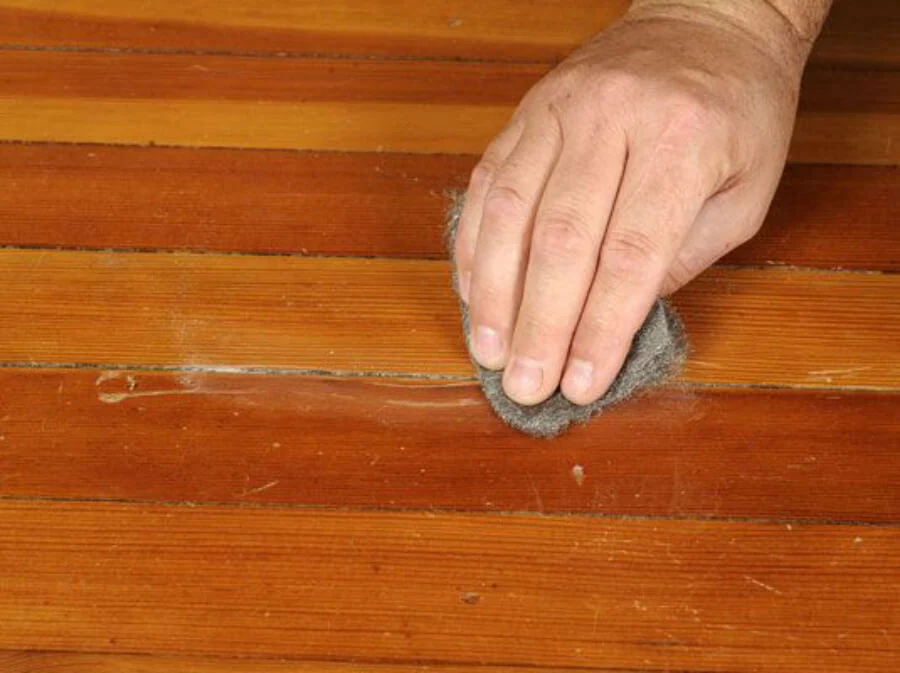
Small scratches can often be fixed without sanding the entire floor:
- Use a wood filler or wax stick: Match the color to your floor and fill in the scratch.
- Buff gently: After the filler dries, lightly buff the area to blend with the surrounding floor.
- Apply a finish: Use a matching wood finish or sealant to protect the repair.
For very light scratches, a color-matched wood marker or crayon can also work as a quick fix.
Fix Dents and Gouges
Deeper dents require more attention:
- Steam method for shallow dents: Place a damp cloth over the dent and apply a hot iron for a few seconds. The steam causes the wood fibers to expand, raising the dent. Repeat if necessary.
- Wood filler for deep gouges: Clean the area, apply wood filler, let it dry, then sand smooth and finish with stain or polyurethane.
Ensure the filler matches the floor color for a seamless repair.
Address Water Damage
Water can warp or discolor hardwood floors. The repair method depends on the severity:
- Light discoloration: Use a mixture of baking soda and water or hydrogen peroxide to lighten the stain. Test in an inconspicuous area first.
- Warped or cupped boards: Small warping may flatten after drying and applying weight. Severe warping may require removing and replacing the affected boards.
- Prevent future damage: Fix leaks, improve ventilation, and clean up spills promptly.
Water damage can be tricky, so assess whether professional help is needed for severe cases.
Sand and Refinish the Floor
For widespread scratches, scuffs, or dull finishes, sanding and refinishing may be necessary:
- Sand the damaged area or the entire floor using a floor sander or hand sander.
- Remove dust thoroughly before applying a new finish.
- Apply a matching stain or polyurethane to restore shine and protection.
Refinishing restores both appearance and durability to hardwood floors.
Fix Loose or Squeaky Boards
Loose or squeaky boards can be annoying but are relatively easy to fix:
- Screw or nail the boards: Secure them to the subfloor using finishing nails or screws.
- Use a wood shim: If there is a gap, gently insert a wood shim under the board.
- Lubricate squeaks: Sprinkle talcum powder or graphite between boards to reduce friction.
Securing boards prevents further damage and improves the floor’s feel underfoot.
Prevent Future Damage
After repairing your floors, take steps to protect them:
- Use area rugs in high-traffic areas.
- Attach felt pads to furniture legs.
- Clean floors regularly with a hardwood-safe cleaner.
- Avoid excessive water or harsh chemicals.
- Maintain proper humidity levels in your home to prevent warping.
Regular care prolongs the life and beauty of your hardwood floors.
Final Thoughts
Damaged hardwood floors don’t always require complete replacement. By identifying the type of damage and using the right repair techniques—whether it’s filling scratches, steaming dents, refinishing, or securing loose boards—you can restore your floors to their original condition.
With proper care, preventive measures, and occasional touch-ups, hardwood floors can remain beautiful and durable for decades. Repairing damage not only improves appearance but also increases the longevity and value of your home.
Stay in the loop with our latest alerts and updates. Ancientartz