The Complete Guide to Home Lighting Design
Lighting is one of the most important yet often overlooked aspects of home design. The right lighting can completely transform how a space looks and feels. It affects mood, functionality, comfort, and even how large or welcoming a room appears. Good lighting design is not just about brightness; it is about balance, layers, and choosing the right fixtures for each area of your home.
A well-planned lighting design helps improve everyday living, highlight architectural features, and create a comfortable environment. This complete guide will help you understand how to design lighting effectively for your home.
Understand the Importance of Lighting
Lighting does much more than illuminate a space. It influences how we experience a room. Poor lighting can make a room feel dull or cramped, while well-designed lighting can make the same space feel open, warm, and inviting.
Proper lighting also improves safety, especially in areas like kitchens, staircases, and hallways. It helps reduce eye strain when reading or working and can highlight decorative elements such as artwork, furniture, or wall textures.
Learn the Three Main Types of Lighting
A balanced lighting plan usually includes three main layers. Each layer serves a specific purpose and together they create a well-lit and comfortable space.
Ambient Lighting
Ambient lighting is the primary source of light in a room. It provides overall illumination so people can move around safely and comfortably. Ceiling lights, chandeliers, recessed lighting, and large pendant fixtures are common sources of ambient lighting.
Task Lighting
Task lighting focuses on specific activities such as reading, cooking, or working. It provides brighter and more concentrated light exactly where it is needed. Examples include desk lamps, under-cabinet kitchen lights, and vanity lights in bathrooms.
Accent Lighting
Accent lighting highlights specific design features or decorative elements in a room. It can be used to draw attention to artwork, architectural details, or plants. Wall sconces, spotlights, and track lighting are often used for this purpose.
Combining these three layers creates depth and flexibility in lighting design.
Choose the Right Lighting Fixtures
Lighting fixtures play a major role in both design and function. The style of the fixture should complement the room’s interior design while also providing adequate illumination.
Common lighting fixtures include:
- Chandeliers for dining rooms and entryways
- Pendant lights for kitchen islands and dining tables
- Recessed lighting for modern, minimal spaces
- Floor and table lamps for living rooms and bedrooms
- Wall sconces for hallways or accent lighting
Selecting fixtures that match the size and style of the room helps create a cohesive look.
Use Natural Light Effectively
Natural light is one of the most valuable elements in home lighting design. It brightens rooms, reduces energy consumption, and improves mood.
To maximize natural light:
- Use light-colored walls and ceilings
- Avoid heavy curtains that block sunlight
- Position mirrors opposite windows to reflect light
- Keep windows clean and unobstructed
Natural light works best when combined with artificial lighting for evenings and cloudy days.
Design Lighting for Each Room
Different rooms require different lighting strategies depending on how the space is used.
Living Room
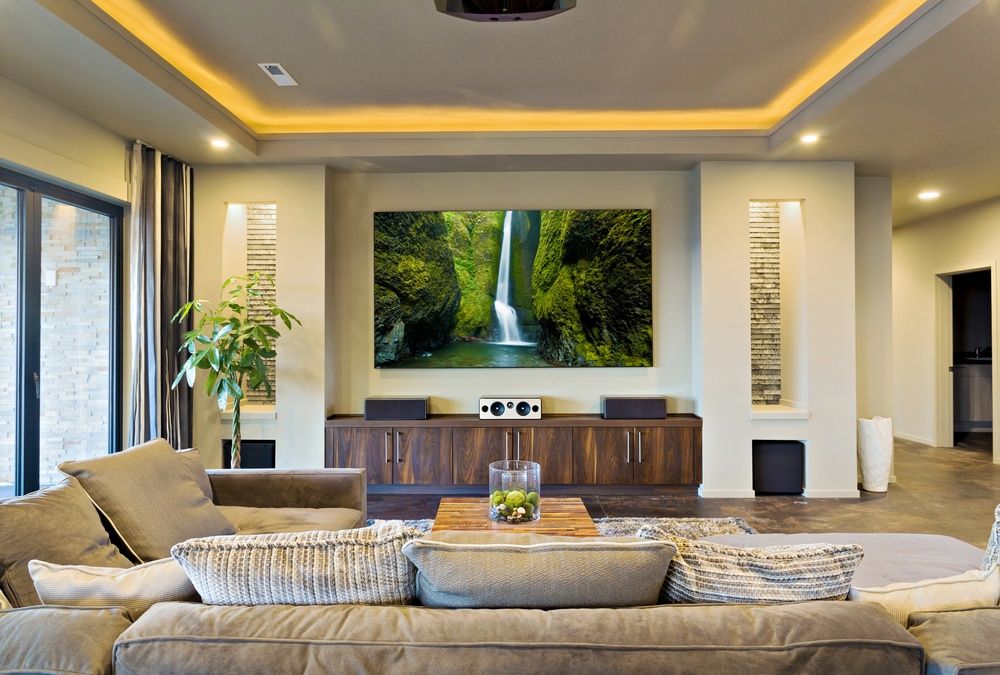
Living rooms benefit from layered lighting. Use ceiling lights for overall illumination, floor lamps for reading areas, and accent lights to highlight artwork or décor.
Kitchen
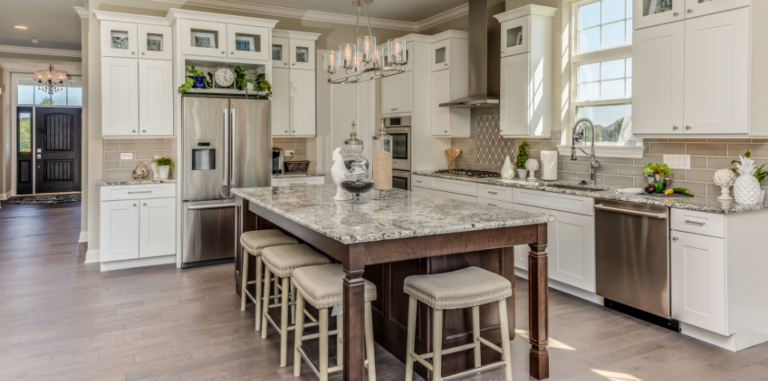
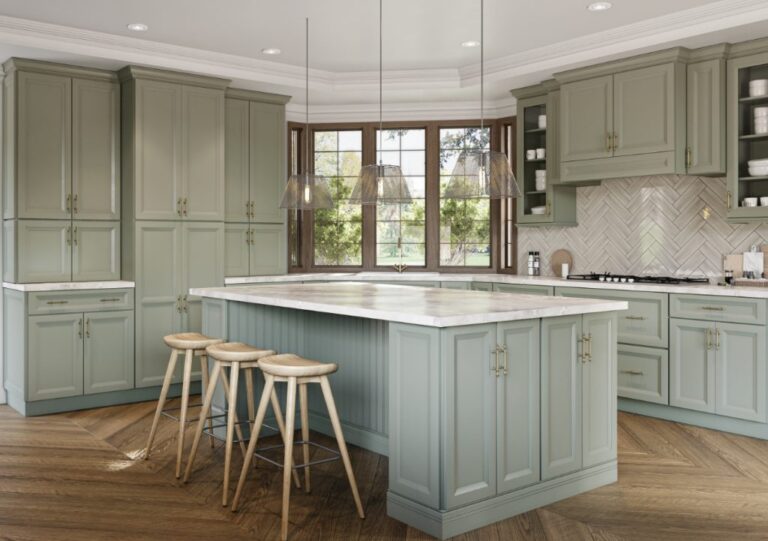
Kitchens require bright and practical lighting. Combine overhead lighting with under-cabinet lights for food preparation areas. Pendant lights above islands can also add style and functionality.
Bedroom
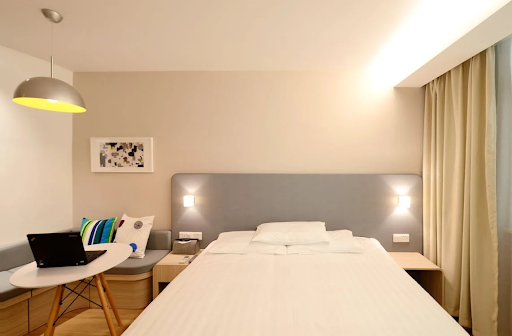
Bedrooms should have soft and relaxing lighting. Bedside lamps are ideal for reading, while dimmable ceiling lights help create a calm atmosphere.
Bathroom
Bathrooms require bright and clear lighting, especially around mirrors. Vanity lighting placed at eye level reduces shadows and improves visibility for grooming tasks.
Hallways and Entryways
These areas need enough lighting to ensure safety and visibility. Wall sconces or recessed lights work well in narrow spaces.
Read Also: How to Upgrade Your Backyard Without Spending Much
Consider Energy Efficiency
Modern lighting technology allows homeowners to reduce energy consumption without sacrificing brightness or style. LED lights are now the most popular choice because they last longer and use significantly less electricity than traditional bulbs.
Energy-efficient lighting benefits include:
- Lower electricity bills
- Longer bulb lifespan
- Reduced environmental impact
- Less heat generation
Choosing LED bulbs for most fixtures is a smart long-term investment.
Use Dimmer Switches for Flexibility
Dimmer switches allow you to adjust light levels depending on the time of day or activity. Bright lighting may be useful for cleaning or working, while softer lighting creates a relaxing atmosphere in the evening.
Installing dimmers in living rooms, bedrooms, and dining areas can greatly improve comfort and mood.
Pay Attention to Color Temperature
Light bulbs come in different color temperatures that affect the feel of a room. Color temperature is measured in Kelvin.
Common ranges include:
- Warm white (2700K–3000K) for cozy spaces like living rooms and bedrooms
- Neutral white (3500K–4100K) for kitchens and bathrooms
- Cool white (5000K–6500K) for workspaces and garages
Selecting the right temperature helps create the desired atmosphere in each room.
Avoid Common Lighting Mistakes
Some lighting mistakes can make a home feel uncomfortable or poorly designed.
Common mistakes include:
- Using only one central light source
- Choosing fixtures that are too small or too large
- Ignoring task lighting for work areas
- Using inconsistent color temperatures
- Placing lights in positions that create shadows
A thoughtful lighting plan helps avoid these problems and ensures every room is properly illuminated.
Add Smart Lighting Technology
Smart lighting systems are becoming increasingly popular in modern homes. These systems allow homeowners to control lighting using smartphone apps, voice commands, or automated schedules.
Smart lighting features may include:
- Remote control from mobile devices
- Color-changing bulbs
- Motion sensors
- Automated lighting schedules
Smart lighting improves convenience, security, and energy efficiency.
Final Thoughts
Home lighting design plays a crucial role in creating a comfortable and visually appealing living environment. By combining ambient, task, and accent lighting, homeowners can achieve a balanced and flexible lighting system that enhances every room.
Thoughtful fixture selection, energy-efficient bulbs, proper placement, and smart technology can transform the way your home looks and feels. When designed correctly, lighting not only improves visibility but also adds warmth, style, and personality to your living spaces.