Interior Design Trends You Should Try This Year
Interior design is a dynamic field, constantly evolving to reflect cultural shifts, technological advances, and the personal tastes of homeowners. Each year brings new trends that transform spaces into more functional, aesthetically pleasing, and comfortable environments. Whether you’re planning a full renovation or simply refreshing your home, staying updated with the latest design trends can inspire creativity and help you craft spaces that truly reflect your personality. Here are the top interior design trends you should try this year.
1. Biophilic Design: Bringing Nature Indoors
One of the most influential trends this year is biophilic design, which emphasizes connecting indoor spaces with nature. This design philosophy goes beyond simply adding a few houseplants; it integrates natural materials, textures, and patterns into your home’s core aesthetic. Think wooden floors, stone countertops, woven textiles, and large windows that flood rooms with natural light.
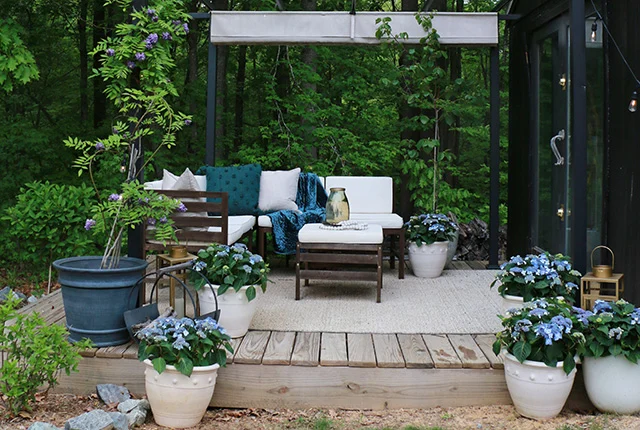
Indoor gardens, living walls, and planters strategically placed in corners can make a room feel vibrant and alive. The benefits extend beyond aesthetics—biophilic design has been shown to reduce stress, boost mood, and improve productivity. If you’ve been craving a calm, restorative environment at home, integrating natural elements is a must this year.
2. Warm, Earthy Tones
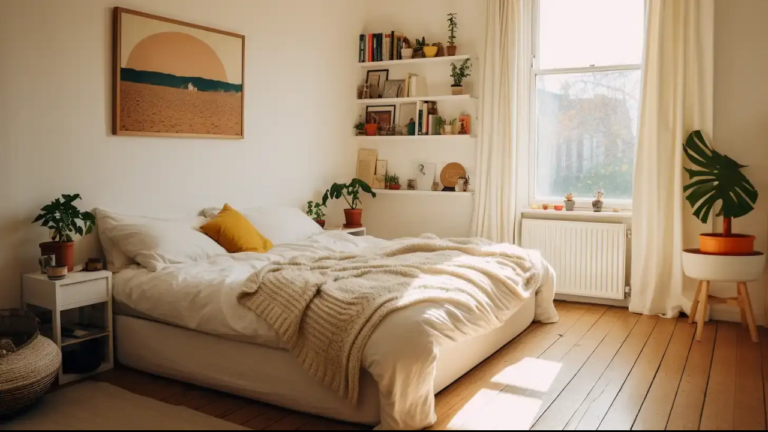
Color trends shift each year, and this year, the focus is on warm, earthy tones. Soft terracotta, clay, muted ochre, and olive greens are gaining popularity, offering a soothing, grounding palette for interiors. Unlike stark whites and grays, these tones create cozy, inviting atmospheres.
Pair these colors with natural materials like wood, leather, and stone to amplify the earthy feel. For example, a clay-colored accent wall combined with rattan furniture and linen curtains creates a relaxed yet sophisticated vibe. Earthy palettes also work well with plants, helping the greenery stand out while maintaining harmony throughout your space.
3. Multifunctional Spaces
With remote work, homeschooling, and hybrid lifestyles becoming the norm, multifunctional spaces are more important than ever. Homeowners are designing areas that serve multiple purposes without feeling cluttered or chaotic.
Consider a living room that doubles as a home office, complete with a foldable desk or a convertible sofa. Kitchens are becoming more social, with built-in nooks for casual dining, homework, or crafting. Even small apartments can benefit from multifunctional furniture, like storage ottomans, Murphy beds, or extendable dining tables. These solutions maximize functionality without compromising style.
4. Statement Ceilings and Walls
Bold walls and ceilings are making a comeback, turning ordinary rooms into unforgettable spaces. Statement ceilings painted in deep hues or adorned with wallpaper can create a sense of drama and sophistication. Similarly, accent walls featuring textured materials, murals, or geometric patterns add depth and personality.
One popular trend is using dark, moody colors on ceilings while keeping the walls lighter. This inversion creates visual interest and draws the eye upward, enhancing the perception of space. Whether it’s a striking wallpaper pattern, an artistic mural, or a rich paint color, don’t underestimate the impact of a well-designed ceiling or wall.
5. Sustainable and Eco-Friendly Materials
Sustainability is no longer optional; it’s a central focus of modern design. Homeowners are seeking eco-friendly materials and products that minimize environmental impact without sacrificing style. Reclaimed wood, bamboo, cork flooring, and recycled metals are not only sustainable but add warmth and texture to interiors.
Furniture and décor made from responsibly sourced materials are increasingly accessible. Low-VOC paints, energy-efficient lighting, and natural fiber textiles support healthier living environments while aligning with eco-conscious values. Sustainable design isn’t just about materials—it’s a mindset that encourages mindful consumption and long-lasting solutions.
6. Curved Furniture and Organic Shapes
Straight lines and rigid forms are giving way to curved furniture and organic shapes. Sofas, chairs, and tables with rounded edges create softer, more inviting interiors. These shapes naturally encourage relaxation and conversation, making them ideal for living rooms and lounges.
Curved furniture pairs beautifully with neutral tones and earthy palettes, enhancing the sense of flow in your home. Even smaller touches, like circular mirrors or oval coffee tables, contribute to this trend without requiring a full redesign. The focus is on comfort, elegance, and visual fluidity.
7. Maximalism with Personal Flair
Minimalism has dominated the design world for years, but this year, maximalism is reclaiming its place. Maximalist interiors embrace bold colors, layered textures, and eclectic décor that reflect individuality. It’s about curating spaces that tell a story through art, textiles, and unique accessories.
Mix patterns, combine vintage and modern pieces, and display collections or travel mementos. The key to successful maximalism is balance—don’t overwhelm a space with clutter. Instead, thoughtfully layer colors and textures to create an engaging, lived-in feel. Maximalism allows homeowners to express personality and creativity fully.
8. Smart Homes and Integrated Technology
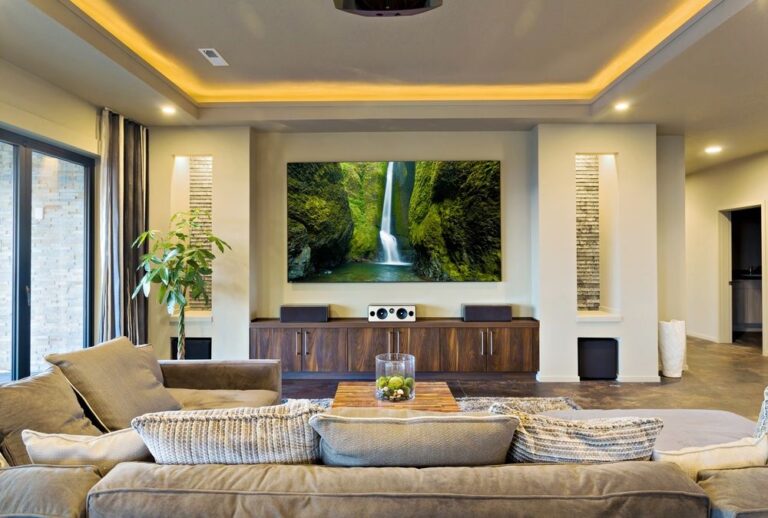
Technology continues to reshape interior design, and smart homes are at the forefront of this evolution. From automated lighting and climate control to voice-activated assistants, technology makes living spaces more convenient and efficient.
Integration is key—smart devices should complement the décor rather than dominate it. Sleek thermostats, hidden charging stations, and wireless sound systems blend seamlessly into modern interiors. Smart home design prioritizes both aesthetics and functionality, ensuring that technology enhances daily life without compromising style.
9. Textured and Layered Fabrics
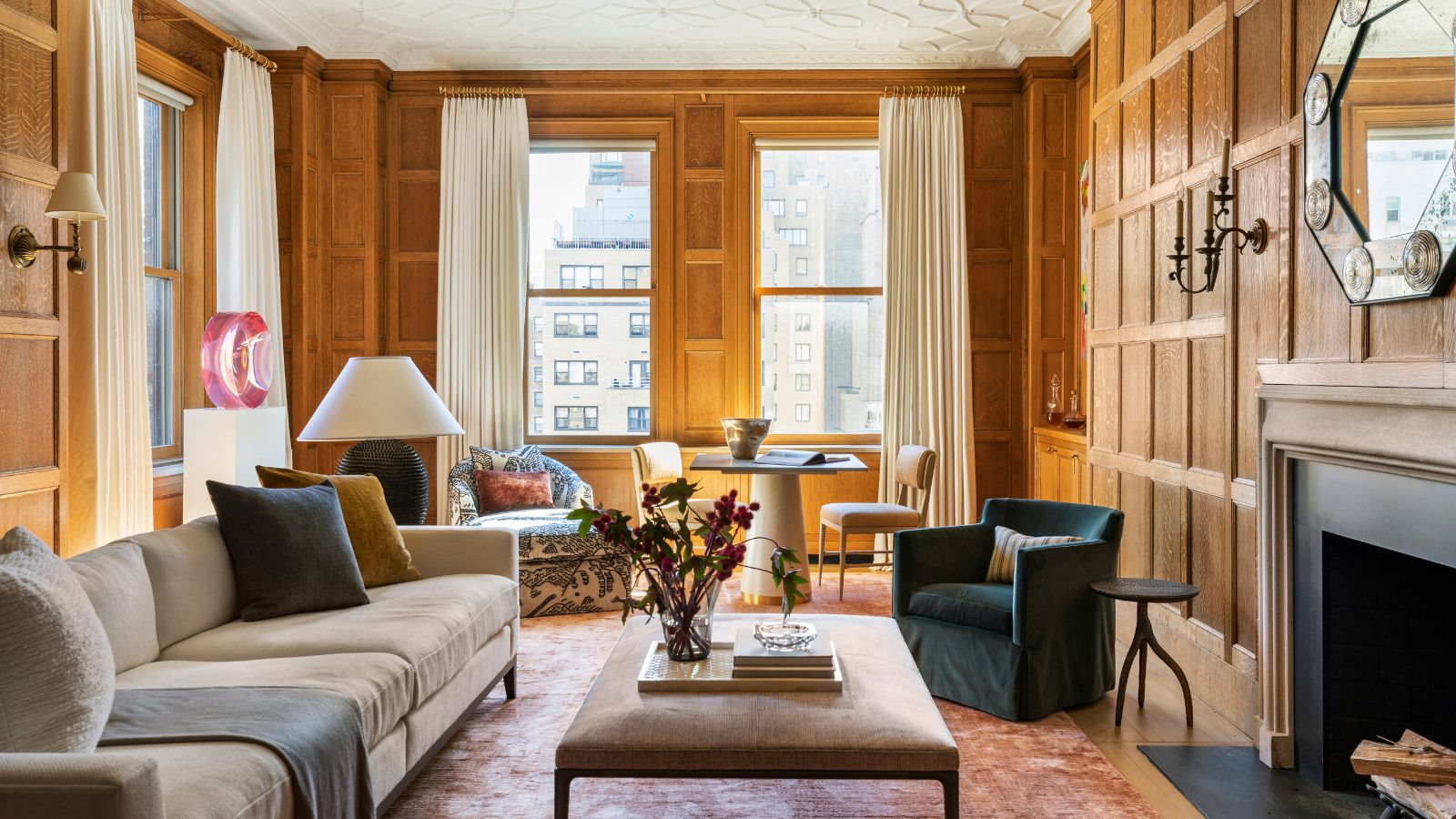
This year’s trend emphasizes texture and layering to create depth and warmth in interior spaces. Fabrics like velvet, boucle, linen, and knitted textiles add visual interest while inviting tactile interaction. Layering rugs, throw blankets, and cushions can transform a simple room into a cozy haven.
Consider mixing textures within the same color family for a cohesive yet dynamic look. For instance, a linen sofa paired with a velvet throw and a wool rug can make a living area feel sophisticated, comfortable, and inviting. Texture is a subtle but powerful tool for elevating your interior design.
10. Statement Lighting Fixtures
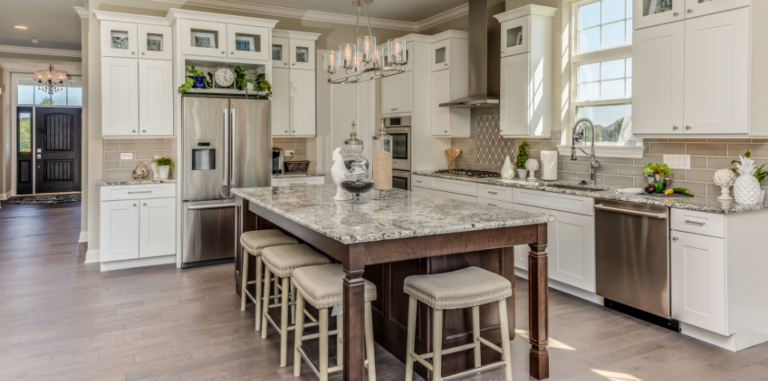
Lighting is no longer just functional—it’s a statement. Oversized chandeliers, sculptural pendant lights, and artistic floor lamps are key elements in this year’s interior design trends. Lighting not only illuminates a space but also becomes a focal point, enhancing the overall ambiance.
Consider layering different light sources—ambient, task, and accent—to create versatile moods. Statement fixtures work particularly well in entryways, dining areas, and living rooms where they can draw attention and elevate the design.
Final Thoughts
This year’s interior design trends combine comfort, creativity, and sustainability. From earthy tones and biophilic elements to multifunctional spaces and bold statements, there’s no shortage of inspiration for refreshing your home. The key is to personalize these trends to fit your lifestyle, preferences, and space, creating interiors that are both functional and aesthetically pleasing.
Whether you’re drawn to cozy, eco-friendly materials, curvaceous furniture, or smart home innovations, experimenting with these trends can transform your living space into a modern, inviting, and expressive home. The best interior design is timeless—it reflects who you are while embracing the innovations and aesthetics of today.