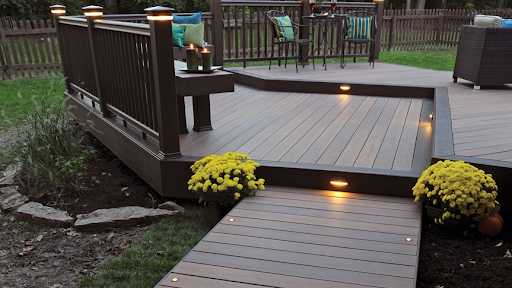
Home Improvement Tips That Increase Comfort and Functionality
Your home should be more than just a place to sleep. It should be a comfortable, practical, and inviting space where you can relax, work, entertain guests, and enjoy everyday life. Whether you live in a large family home or a cozy apartment, making thoughtful improvements can significantly enhance both comfort and functionality without requiring a complete renovation.
Many homeowners assume that improving a home means spending thousands of dollars on luxury upgrades. In reality, even small changes can make daily routines easier while increasing the overall appeal of your living space. Better lighting, smarter storage, energy-efficient upgrades, and improved layouts all contribute to a home that feels more enjoyable to live in.
This guide explores practical home improvement tips that help create a more comfortable and functional home while adding long-term value.
Start with a Functional Layout
One of the most important aspects of home improvement is ensuring that every room serves its purpose efficiently.
Walk through your home and identify areas that feel crowded, awkward, or underused. Rearranging furniture may instantly improve traffic flow without costing anything. Consider removing oversized furniture that makes a room feel cramped and replacing it with pieces that better suit the available space.
Open pathways allow family members to move comfortably while making rooms appear larger and more organized.
Improve Natural Lighting
Natural light makes every home feel brighter, healthier, and more welcoming.
Simple ways to increase natural light include:
- Replace heavy curtains with lighter fabrics.
- Clean windows regularly.
- Add mirrors to reflect sunlight.
- Trim outdoor shrubs blocking windows.
- Paint walls with light, neutral colors.
Bright spaces often feel larger, cleaner, and more comfortable throughout the day.
Upgrade Your Lighting Fixtures
Artificial lighting has a major impact on both comfort and functionality.
Instead of relying on one ceiling fixture, layer different lighting sources throughout each room.
Examples include:
- Ceiling lights for overall illumination.
- Floor lamps for reading.
- Under-cabinet kitchen lighting.
- Bedside lamps.
- Accent lighting for decorative features.
Installing LED bulbs also reduces electricity costs while providing better brightness and longer lifespan.
Create Better Storage Solutions
Clutter reduces comfort and makes even large homes feel smaller.
Look for creative storage opportunities throughout your home.
Ideas include:
- Floating shelves
- Storage benches
- Built-in cabinets
- Under-bed storage boxes
- Closet organizers
- Wall hooks
- Garage shelving
Every item should have a designated place. Organized spaces are easier to clean and much more enjoyable to use.
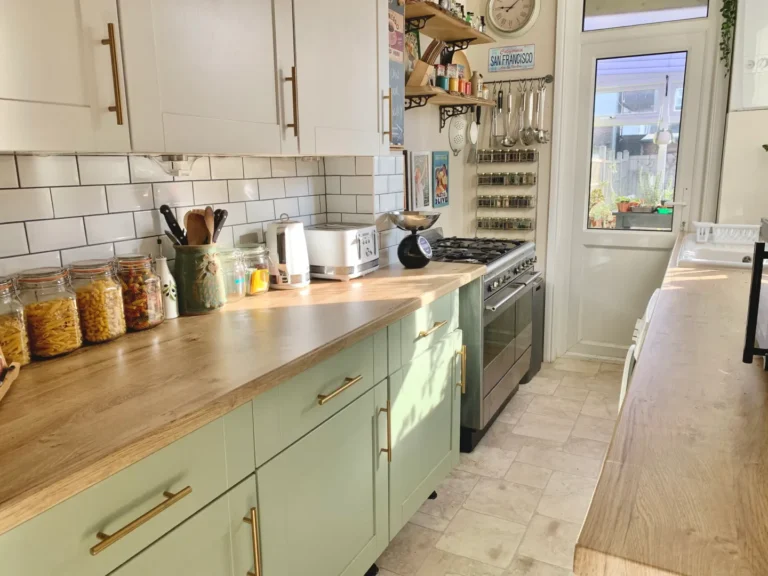
Upgrade the Kitchen
The kitchen is often the busiest room in the house, making functionality especially important.
You don’t need a full remodel to improve it.
Simple improvements include:
- Replace outdated cabinet handles.
- Install pull-out shelves.
- Add a backsplash.
- Upgrade faucets.
- Improve pantry organization.
- Install better task lighting.
- Replace worn countertops if necessary.
These upgrades improve both appearance and everyday convenience.
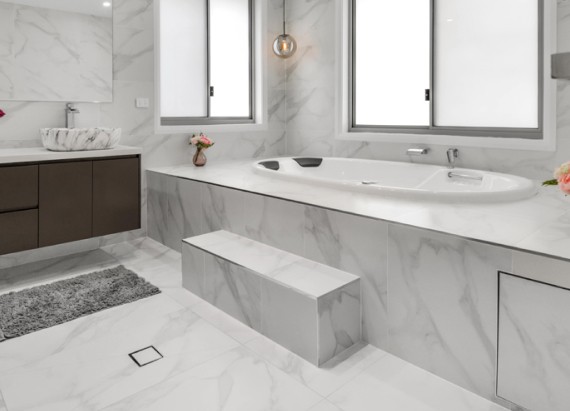
Make the Bathroom More Comfortable
Bathrooms should feel clean, relaxing, and easy to maintain.
Consider improvements such as:
- Install a rainfall showerhead.
- Replace old faucets.
- Improve ventilation.
- Add additional towel storage.
- Upgrade mirrors.
- Install brighter lighting.
- Use water-efficient fixtures.
Fresh paint and modern accessories can also transform the room at a relatively low cost.
Focus on Comfortable Flooring
Floors influence how every room feels.
If replacing flooring isn’t in your budget, there are still affordable improvements available.
Options include:
- Area rugs for warmth.
- Carpet replacement in worn areas.
- Luxury vinyl flooring.
- Laminate flooring.
- Hardwood refinishing.
- Non-slip bathroom mats.
Comfortable flooring enhances both safety and visual appeal.
Improve Indoor Air Quality
A healthy home is also a comfortable home.
Better air quality can be achieved by:
- Replacing HVAC filters regularly.
- Cleaning air vents.
- Using air purifiers.
- Adding indoor plants.
- Controlling humidity.
- Opening windows when weather permits.
Cleaner air benefits everyone, especially family members with allergies.
Increase Energy Efficiency
Energy-efficient improvements lower utility bills while making your home more comfortable year-round.
Popular upgrades include:
- Weather stripping around doors.
- Sealing window gaps.
- Adding attic insulation.
- Installing programmable thermostats.
- Replacing old appliances.
- Upgrading windows.
- Using LED lighting.
Many of these improvements pay for themselves through reduced energy costs.
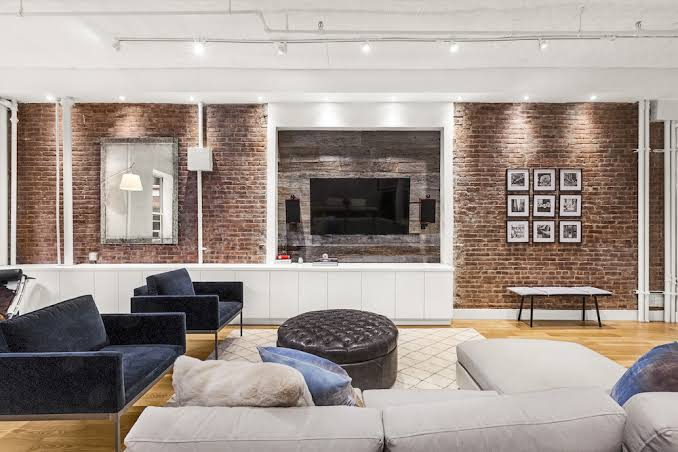
Modernize the Living Room
The living room should support relaxation, conversation, and entertainment.
Consider these updates:
- Add comfortable seating.
- Improve lighting layers.
- Install floating shelves.
- Organize cables.
- Mount the television.
- Add decorative pillows.
- Include soft throws for warmth.
A well-designed living room encourages family members to spend more quality time together.
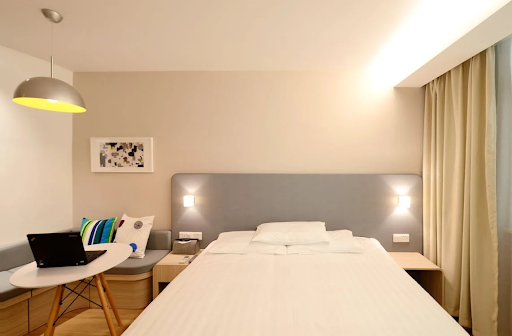
Improve Bedroom Comfort
Your bedroom should promote better sleep and relaxation.
Helpful improvements include:
- Upgrade the mattress.
- Install blackout curtains.
- Add bedside lighting.
- Improve closet organization.
- Use calming paint colors.
- Reduce electronic clutter.
- Add soft bedding.
Small upgrades often lead to better sleep quality.
Add Smart Home Features
Technology can improve convenience without requiring complicated installations.
Useful smart home upgrades include:
- Smart thermostats
- Smart doorbells
- Smart lighting
- Smart locks
- Voice assistants
- Security cameras
- Smart plugs
These devices improve comfort, energy efficiency, and home security.
Refresh Interior Paint
Fresh paint remains one of the most affordable home improvements.
Choose colors that match the purpose of each room.
Popular choices include:
- White
- Soft gray
- Beige
- Warm cream
- Light blue
- Sage green
Fresh paint instantly makes rooms feel newer and cleaner.
Upgrade Doors and Hardware
Replacing worn hardware creates a surprisingly noticeable improvement.
Consider replacing:
- Door handles
- Cabinet knobs
- Drawer pulls
- Hinges
- House numbers
- Mailboxes
- Doorbells
Matching finishes create a more polished appearance throughout the home.
Improve Outdoor Living Areas
Comfort should extend beyond the walls of your house.
Simple outdoor improvements include:
- Patio furniture
- Outdoor lighting
- Garden pathways
- Fire pits
- Raised garden beds
- Privacy screens
- Decorative planters
Outdoor spaces become enjoyable extensions of your living area.
Enhance Entryways
First impressions begin at the front door.
Easy upgrades include:
- New welcome mat
- Fresh paint
- Decorative lighting
- Potted plants
- Updated house numbers
- Stylish door hardware
An attractive entrance immediately makes your home feel more welcoming.
Improve Laundry Room Efficiency
Laundry rooms often receive little attention despite frequent use.
Functional improvements include:
- Wall shelving
- Folding counters
- Storage baskets
- Hanging rods
- Better lighting
- Utility sinks
These additions make household chores easier and more organized.
Reduce Noise Inside the Home
A quieter home naturally feels more relaxing.
Ways to minimize noise include:
- Area rugs
- Heavy curtains
- Weather stripping
- Acoustic wall panels
- Door seals
- Upholstered furniture
Reducing noise creates a calmer living environment.
Personalize Your Space
Comfort also comes from making your home reflect your personality.
Decorate with:
- Family photographs
- Artwork
- Decorative plants
- Books
- Handmade decorations
- Travel souvenirs
Personal touches make a house truly feel like home.
Maintain Your Home Regularly
Even beautiful upgrades lose their value without proper maintenance.
Create a simple maintenance routine that includes:
- Cleaning gutters
- Inspecting roofs
- Checking plumbing
- Servicing HVAC systems
- Repainting worn surfaces
- Testing smoke detectors
- Repairing minor issues promptly
Preventive maintenance keeps your home comfortable while avoiding expensive future repairs.
Balance Style with Practicality
When making improvements, always balance appearance with everyday usability.
Ask yourself:
- Will this make daily life easier?
- Is it durable?
- Is it easy to maintain?
- Does it improve safety?
- Will it remain useful for years?
The best home improvements combine beauty with practical benefits.
Budget Wisely
Home improvement doesn’t require completing everything at once.
Prioritize projects by focusing on:
- Safety repairs
- Energy efficiency
- Storage improvements
- Comfort upgrades
- Cosmetic enhancements
Planning improvements over time helps manage costs while steadily improving your home.
Final Thoughts
Improving your home’s comfort and functionality doesn’t always require expensive renovations or major construction. Thoughtful upgrades such as better lighting, smarter storage, improved insulation, modern fixtures, and organized living spaces can dramatically enhance the way your home looks and feels.
By focusing on practical improvements that support your daily lifestyle, you create a home that is not only more attractive but also easier to maintain, more energy-efficient, and more enjoyable to live in. Whether you tackle one project at a time or plan a larger renovation, every improvement brings you closer to a space that truly meets your needs and enhances your quality of life.