A Complete Home Improvement Checklist for Clients Before Starting Any Renovation
Home renovation can be one of the most exciting yet challenging projects for any homeowner. Whether you are planning a minor kitchen upgrade, a bathroom remodel, or a complete home transformation, proper preparation is the foundation of success. Without a clear plan, renovation projects can quickly become expensive, stressful, and time-consuming.
That’s why having a complete home improvement checklist before starting any renovation is essential. It helps clients stay organized, avoid common mistakes, and make informed decisions throughout the process.
In this guide, we will walk through everything clients should consider before beginning a renovation project, from budgeting and planning to hiring contractors and selecting materials.
Define Your Renovation Goals
Before any work begins, the first step is understanding why you want to renovate.
Ask yourself important questions like:
Do you want to increase your property value?
Are you improving comfort and functionality?
Is the renovation for aesthetic upgrades?
Do you need more space for a growing family?
Are you fixing outdated systems or structural problems?
Your renovation goals will influence every decision moving forward. For example, if your main goal is increasing resale value, you may focus on kitchens, bathrooms, and curb appeal. If comfort is the priority, insulation, smart home upgrades, and better layouts may matter more.
Having clear goals gives direction to your entire project.
Set a Realistic Budget
Budgeting is one of the most critical parts of any home improvement plan.
Many homeowners underestimate renovation costs, which often leads to delays or unfinished projects. A smart budget should include:
Material costs
Labor costs
Permit fees
Design fees
Furniture and fixtures
Unexpected expenses
A good rule is to keep an extra 15% to 20% for unexpected costs. Hidden plumbing issues, electrical repairs, or structural damage can appear once renovation starts.
List all your expected expenses and prioritize them based on importance.
Research Renovation Costs
Before finalizing your budget, spend time researching market prices.
Look at:
Average contractor rates
Material price trends
Local permit fees
Delivery charges
Custom installation costs
Getting multiple quotes helps you understand fair pricing and avoid overpaying.
This step allows clients to compare options and prepare financially.
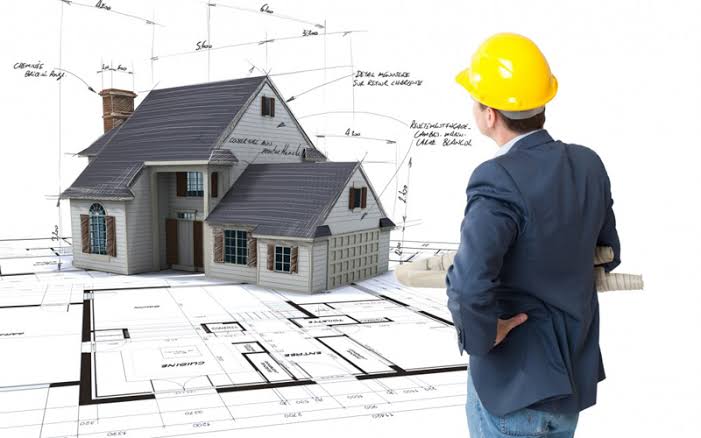
Create a Detailed Renovation Plan
A clear renovation plan acts as your roadmap.
Your plan should cover:
Rooms being renovated
Specific upgrades needed
Timeline for each phase
Material requirements
Design preferences
Special features
For example, if renovating the kitchen, note whether you want:
New cabinets
Countertops
Flooring
Lighting
Appliances
Wall paint
The more detailed your plan, the smoother the project will run.
Decide Between DIY and Professional Help
Some renovation tasks are manageable on your own, while others require professionals.
DIY-friendly tasks:
Painting
Installing shelves
Basic landscaping
Minor decoration work
Professional tasks:
Electrical work
Plumbing
Roofing
Structural changes
HVAC installation
Attempting complicated jobs without expertise can create safety hazards and expensive repairs.
Knowing your limits can save both time and money.
Hire the Right Contractor
Choosing the right contractor is one of the biggest decisions in home improvement.
A reliable contractor can make the process smooth, while the wrong one can create major headaches.
Before hiring, check:
Licenses
Insurance
Past work experience
Customer reviews
Project portfolio
References
Always interview multiple contractors and ask detailed questions about timelines, payment terms, and warranties.
Never rush this step.
Get Necessary Permits
Many homeowners forget permits until it’s too late.
Depending on your project, permits may be required for:
Electrical upgrades
Plumbing changes
Structural work
Window installations
Roof replacement
Room additions
Skipping permits can result in fines or problems when selling your home later.
Check local building regulations before starting.
Inspect Your Home’s Current Condition
Before renovation begins, inspect your home carefully.
Look for:
Water damage
Mold
Termite issues
Foundation cracks
Roof leaks
Old wiring
Plumbing leaks
Identifying hidden problems early prevents surprises during renovation.
A professional inspection can be a valuable investment.
Prioritize Renovation Areas
Not all renovations should happen at once.
Focus on high-priority areas first:
Structural repairs
Roofing
Plumbing
Electrical systems
Heating and cooling
After these essentials, move to aesthetic improvements like flooring, paint, and décor.
This approach ensures safety and long-term durability.
Finalize Your Design Style
Choosing a design style before starting helps avoid confusion.
Popular styles include:
Modern
Minimalist
Traditional
Industrial
Farmhouse
Contemporary
Scandinavian
Collect inspiration from magazines, Pinterest, or interior design websites.
Choose colors, textures, and finishes that match your vision.
Consistency in design creates a more polished result.
Choose Quality Materials
Materials impact both appearance and durability.
While it may be tempting to choose cheaper options, low-quality materials often cost more in the long run due to repairs or replacements.
Key material decisions include:
Flooring
Cabinets
Countertops
Paint
Tiles
Windows
Doors
Fixtures
Balance quality with budget to get the best value.
Plan for Temporary Living Arrangements
Major renovations can disrupt daily life.
If your kitchen, bathrooms, or bedrooms will be unusable, think ahead.
Consider:
Staying with family
Renting temporary accommodation
Setting up a temporary kitchen
Creating alternate sleeping arrangements
Planning for this reduces stress during construction.
Protect Your Belongings
Dust, debris, and accidental damage are common during renovations.
Before work starts:
Move furniture to safe areas
Cover valuables
Store fragile items
Protect electronics
Seal off unaffected rooms
This keeps your belongings safe and makes cleanup easier.
Establish a Timeline
Every renovation needs a realistic schedule.
Discuss timelines with your contractor and include:
Start date
Completion date
Major milestones
Material delivery dates
Inspection dates
Be flexible because delays can happen due to weather, supply shortages, or unexpected repairs.
A timeline keeps everyone accountable.
Prepare for Noise and Disruption
Renovation can be loud, messy, and stressful.
Power tools, demolition, and workers moving around can affect your daily routine.
Prepare by:
Adjusting work-from-home schedules
Informing neighbors
Planning quiet spaces
Keeping pets safe
Mental preparation makes the process easier.
Review Your Insurance Coverage
Before starting renovation, check your home insurance.
Some renovations may affect your coverage, especially large structural projects.
Ask your insurance provider about:
Coverage during construction
Worker injuries
Property damage
Material theft
Temporary vacancies
This protects you from financial risks.
Focus on Energy Efficiency
Renovation is a great opportunity to improve energy efficiency.
Consider upgrades like:
LED lighting
Energy-efficient windows
Insulation improvements
Smart thermostats
Solar panels
Water-saving fixtures
These upgrades reduce utility bills and increase home value.
Upgrade Electrical and Plumbing Systems
Older homes often have outdated systems.
If your home is over 15 to 20 years old, consider upgrading:
Wiring
Circuit breakers
Pipes
Drainage systems
Water heaters
Ignoring old systems can lead to safety issues later.
It’s easier and cheaper to upgrade while walls are open.
Think About Future Needs
Renovation should not only fit your current lifestyle but future plans too.
Think about:
Growing family needs
Aging in place
Accessibility
Home office space
Storage expansion
Future-proofing your home makes your investment more valuable over time.
Communicate Clearly with Your Contractor
Strong communication avoids misunderstandings.
Discuss:
Project expectations
Budget limits
Design changes
Material selections
Work hours
Payment schedules
Regular updates help keep the project on track.
Document all agreements in writing.
Prepare for Unexpected Problems
Even with perfect planning, surprises happen.
Common unexpected issues include:
Hidden mold
Rotten wood
Faulty wiring
Pipe damage
Permit delays
Supply shortages
Staying flexible and keeping extra funds helps manage these challenges.
Patience is key.
Conduct a Final Walkthrough
Before making the final payment, inspect everything carefully.
Check:
Paint quality
Floor installation
Cabinet alignment
Lighting fixtures
Plumbing functionality
Electrical outlets
Door and window operation
Make a punch list of unfinished or incorrect work.
Ensure all problems are fixed before closing the project.
Keep Renovation Documents Organized
Save all important documents including:
Contracts
Receipts
Permits
Warranties
Design plans
Inspection reports
These documents are valuable for future maintenance or resale.
Staying organized protects your investment.
Celebrate Your New Space
After weeks or months of planning and hard work, take time to enjoy your upgraded home.
A successful renovation can improve:
Comfort
Functionality
Property value
Energy efficiency
Lifestyle quality
Whether it’s a small makeover or a full renovation, the result should reflect your goals and personal style.
Final Thoughts
Starting a renovation without preparation can turn an exciting project into a stressful experience. That’s why following a complete home improvement checklist is so important for clients.
From setting goals and budgets to hiring professionals and planning for unexpected challenges, every step matters. Good preparation not only saves money but also ensures the final result meets your expectations.
A well-planned renovation creates a home that is safer, more beautiful, and more valuable. Before you pick up a hammer or hire a contractor, go through this checklist carefully and build your renovation on a strong foundation.