How to Make Your Home Eco-FriendlyHow to Make Your
Creating an eco-friendly home isn’t just a trend—it’s a lifestyle choice that benefits both the environment and your wallet. Small changes around the house can significantly reduce your carbon footprint, save energy, and make your home a healthier place to live. We’ve put together a comprehensive guide to help you transform your home into an eco-friendly haven, step by step.
1. Start with Energy Efficiency
One of the easiest ways to make your home more sustainable is by reducing energy consumption. Here are some practical tips:
- Switch to LED Lighting: LED bulbs use up to 75% less energy than traditional incandescent bulbs and last significantly longer. Swapping out old bulbs can reduce electricity bills while lowering environmental impact.
- Upgrade Your Appliances: Look for appliances with high energy efficiency ratings, like ENERGY STAR-certified refrigerators, washing machines, and dishwashers. These appliances consume less electricity and water, helping both the planet and your budget.
- Smart Thermostats: Installing a smart thermostat allows you to control heating and cooling more effectively. It learns your schedule and adjusts temperatures automatically, reducing unnecessary energy use.
By focusing on energy efficiency, you not only reduce your home’s environmental impact but also create long-term cost savings.
2. Reduce Water Usage
Water is a precious resource, and conserving it at home is crucial for eco-living. Consider these strategies:
- Low-Flow Fixtures: Install low-flow showerheads, faucets, and toilets. These devices reduce water usage without sacrificing performance.
- Fix Leaks Promptly: Even small leaks can waste hundreds of gallons of water over time. Regularly check plumbing and repair leaks immediately.
- Rainwater Harvesting: Collect rainwater to use for gardening or cleaning. It’s a sustainable way to utilize natural resources while lowering your water bills.
Water conservation might seem small, but collectively, these actions have a huge positive impact on the environment.
3. Choose Sustainable Building Materials
If you’re renovating or building a home, the materials you choose can make a big difference:
- Recycled or Reclaimed Materials: Opt for recycled wood, metal, or glass. These materials reduce the need for new resources and often come with a unique aesthetic.
- Bamboo Flooring: Bamboo grows quickly and regenerates easily, making it a sustainable alternative to traditional hardwood.
- Low-VOC Paints: Volatile Organic Compounds (VOCs) in standard paints can release harmful chemicals into your home and the environment. Low-VOC or natural paints are safer for both your family and the planet.
Sustainable materials aren’t just eco-friendly—they also add character and value to your home.
4. Implement Renewable Energy Solutions
Using renewable energy is a powerful way to make your home environmentally friendly:
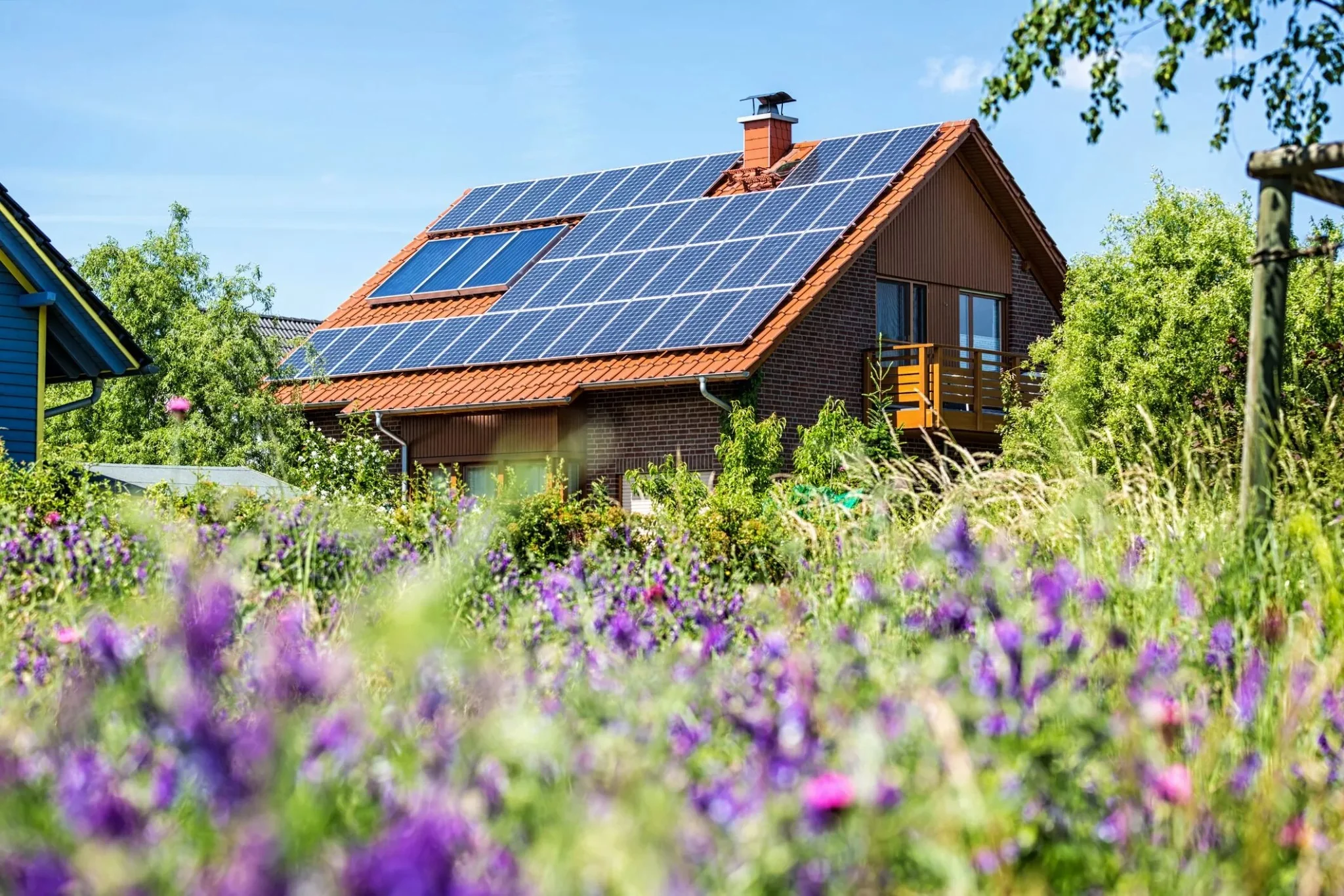
- Solar Panels: Installing solar panels can drastically reduce reliance on fossil fuels. Over time, the initial investment pays off through lower energy bills.
- Solar Water Heaters: These use the sun’s energy to heat water, reducing electricity consumption for daily needs.
- Wind or Geothermal Options: Depending on your location, small wind turbines or geothermal heating and cooling systems can also provide sustainable energy solutions.
Renewable energy systems require upfront costs, but they significantly lower your carbon footprint while increasing home value.
5. Optimize Insulation and Windows
Keeping your home well-insulated reduces energy consumption and keeps indoor temperatures comfortable year-round:
- Upgrade Insulation: Use eco-friendly insulation materials like recycled denim, cellulose, or sheep’s wool. Proper insulation reduces the need for constant heating and cooling.
- Energy-Efficient Windows: Double or triple-glazed windows minimize heat transfer, keeping your home warmer in winter and cooler in summer.
- Seal Gaps: Check for air leaks around windows, doors, and vents, and seal them to prevent energy loss.
Good insulation isn’t just about comfort—it’s a critical step toward energy conservation.
6. Embrace Smart Landscaping
Eco-friendly living extends beyond the walls of your home. Your yard can contribute significantly to sustainability:
- Native Plants: Plant species native to your region require less water, fertilizer, and maintenance, creating a low-impact landscape.
- Composting: Set up a compost system for kitchen and garden waste. Compost enriches soil naturally and reduces landfill waste.
- Rain Gardens: These are designed to capture rainwater and help prevent runoff, protecting local waterways and reducing irrigation needs.
Sustainable landscaping not only looks beautiful but also supports biodiversity and environmental health.
7. Reduce, Reuse, and Recycle
Adopting the three Rs at home is a cornerstone of eco-friendly living:
- Reduce Waste: Buy only what you need, choose products with minimal packaging, and avoid single-use plastics.
- Reuse Items: Repurpose containers, furniture, and clothing to extend their life instead of discarding them.
- Recycle Properly: Make sure recyclable materials are sorted correctly according to local guidelines. Many communities offer curbside pickup or drop-off centers.
By being mindful of waste, we can significantly reduce our contribution to landfills and pollution.
8. Eco-Friendly Cleaning Products
Traditional cleaning products can contain harsh chemicals that harm both your home environment and waterways:
- Natural Ingredients: Vinegar, baking soda, lemon, and essential oils are effective alternatives for most cleaning tasks.
- Non-Toxic Commercial Products: Look for eco-certified cleaning products labeled as biodegradable or free from harmful chemicals.
- Homemade Solutions: Simple DIY cleaning recipes can replace chemical cleaners while being safe and budget-friendly.
Switching to eco-friendly cleaning products is a simple change that improves indoor air quality and protects aquatic life.
9. Adopt Smart Waste Management
Proper waste management reduces environmental impact and promotes sustainability:
- Household Recycling Stations: Set up bins for paper, plastic, glass, and metal in your home to encourage everyone to recycle.
- Electronic Waste Disposal: Safely dispose of old electronics at designated e-waste centers to prevent toxic materials from entering landfills.
- Donate and Repurpose: Before discarding items, consider donating them to charities or repurposing them at home.
Effective waste management habits help you live responsibly while contributing to a cleaner planet.
10. Lifestyle Choices That Complement Eco-Friendly Homes
Finally, creating an eco-friendly home goes hand in hand with adopting sustainable lifestyle habits:
- Energy-Conscious Habits: Turn off lights and unplug devices when not in use. Small behavioral changes reduce energy consumption.
- Sustainable Transportation: Walk, bike, or use public transportation whenever possible. Electric vehicles can also complement a green home.
- Mindful Consumption: Choose locally-sourced, organic food, and minimize fast fashion purchases. Your consumption habits impact both home sustainability and the environment at large.
Eco-friendly living is a holistic approach, blending home improvements with mindful lifestyle choices.
Conclusion
Making your home eco-friendly doesn’t have to be overwhelming. By focusing on energy efficiency, water conservation, sustainable materials, renewable energy, proper insulation, smart landscaping, and responsible waste management, you can create a home that’s kind to both the environment and your wallet. Small changes add up over time, turning your house into a model of sustainability.
Living in an eco-friendly home improves indoor air quality, reduces energy bills, and gives you the satisfaction of contributing positively to the planet. It’s never too late to start; every step toward sustainability matters. Together, we can make a difference, one eco-friendly home at a time.