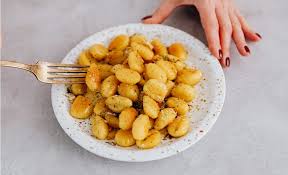
Palentu: A Simple Guide to This Classic Comfort Food
If you’ve ever wandered through the kitchens of Northern Italy, Croatia, Slovenia, or even parts of France and Switzerland, chances are you’ve encountered palentu. Palentu is the Croatian and Slovene name for what most people know as polenta, a humble but versatile dish made from boiled cornmeal. While its roots are Italian, this dish has traveled far and wide, becoming a staple across Central and Southern Europe. In this article, we’ll explore what palentu is, how it’s made, the different ways it can be served, and why it’s such a beloved comfort food for generations.
What Is Palentu?
At its core, palentu is just boiled grain. Traditionally, it’s made with cornmeal, but in some regions, you can also find versions made with buckwheat, wheat, or even barley. The grain is cooked slowly in water or milk until it thickens into a creamy, porridge-like consistency. The beauty of palentu is its versatility—it can be eaten soft and creamy straight from the pot, or cooled and solidified so it can be sliced, fried, or baked.
In Croatia and Slovenia, palentu is more than just food; it’s part of our cultural identity. Many families have been making it for generations, each with their own little tweaks, secret ingredients, or special ways of serving it. Unlike some dishes that require complicated steps or fancy equipment, palentu is humble, comforting, and easy to make for anyone, beginner or experienced cook.
A Short History of Palentu
Palentu, like polenta, has a long history. Corn was introduced to Europe from the Americas in the 16th century, and over time, it became a staple for peasants and farmers because it was affordable, filling, and easy to grow. Before corn, similar porridge dishes were made from grains like buckwheat, barley, and millet.
In Northern Italy, palentu became the foundation of many meals, often served with cheese, butter, or hearty stews. As the dish spread to neighboring regions, local variations emerged. In Croatia and Slovenia, for example, it’s common to pair palentu with creamy cheeses, sour cream, mushrooms, or even sweet jams for dessert. Its adaptability is one reason it has remained popular for centuries.
How to Make Palentu
Making palentu is simple, though it does require a little patience. The key is slow cooking and stirring frequently to prevent lumps. Here’s a basic outline of how to make soft palentu:
- Ingredients
- 1 cup of cornmeal (coarse or medium grind)
- 4 cups of water (or half water, half milk for creamier texture)
- A pinch of salt
- Optional: butter, cheese, herbs, or cream
- 1 cup of cornmeal (coarse or medium grind)
- Method
- Bring water and salt to a boil in a large pot.
- Gradually pour in the cornmeal while stirring constantly.
- Reduce heat and simmer, stirring frequently, for 25-40 minutes. The mixture should thicken into a creamy consistency.
- Add butter, cheese, or cream for extra flavor if desired.
- Bring water and salt to a boil in a large pot.
For solid palentu, simply pour the cooked palentu into a greased tray or dish, smooth it out, and let it cool until firm. Once solid, it can be sliced and fried, baked, or grilled. This makes it an excellent side dish or a base for a variety of toppings.
Ways to Enjoy Palentu
One of the best things about palentu is that there’s almost no wrong way to eat it. Depending on how it’s prepared, it can be a savory main, a side dish, or even a dessert. Here are some popular ways we enjoy palentu:
Savory Palentu
- With Cheese and Butter: This is the ultimate comfort version. Hot, creamy palentu topped with melting butter and grated cheese is simple but incredibly satisfying.
- With Mushrooms: Sautéed mushrooms in garlic and butter poured over soft palentu create a hearty, earthy dish perfect for lunch or dinner.
- With Meat or Sausages: In many regions, palentu is served alongside roasted meats, grilled sausages, or stews. It soaks up all the flavors, making every bite rich and comforting.
- Fried or Baked Slices: Once cooled, palentu can be cut into squares or sticks and fried until golden, or baked until crispy. This gives it a slightly crunchy exterior while staying soft inside.
Sweet Palentu
While less common than savory versions, palentu can also be enjoyed as a dessert. Some popular options include:
- With Honey or Jam: A drizzle of honey or a spoonful of your favorite jam transforms plain palentu into a sweet treat.
- With Fruit Compote: Warm fruit compote poured over creamy palentu makes a simple but elegant dessert.
- With Cinnamon and Sugar: Sprinkling a mixture of cinnamon and sugar on top is a nostalgic snack for many families.
Modern Twists
Palentu is not just for traditional dishes anymore. Creative cooks are experimenting with:
- Palentu fries seasoned with herbs and spices
- Palentu topped with roasted vegetables and pesto
- Mini palentu cakes served as appetizers with dips
Its versatility makes it ideal for both everyday meals and special occasions.
Nutritional Value
Palentu is more than just comfort food; it’s also nutritious. Cornmeal is rich in complex carbohydrates, which provide steady energy, and it contains some fiber, vitamins, and minerals like magnesium and phosphorus. Using alternative grains like buckwheat adds even more nutritional benefits, including protein, antioxidants, and a low glycemic index.
When served with vegetables, cheese, or lean meats, palentu becomes a well-balanced meal that is both satisfying and healthy. It’s naturally gluten-free if made from corn or buckwheat, making it suitable for people with gluten sensitivities.
Palentu in Croatian and Slovenian Culture
In Croatia and Slovenia, palentu is more than just a meal—it’s part of family traditions and regional identity. In rural areas, families often make palentu as a staple side dish or even as a main meal during colder months. It’s common to see grandparents teaching their grandchildren how to stir the pot slowly, a skill passed down through generations.
Festivals, local fairs, and family gatherings sometimes feature palentu as a central dish, highlighting its importance in communal life. Unlike fast food or modern convenience meals, palentu connects people to the land, local grains, and simple, honest cooking.
Tips for Making the Perfect Palentu
Even though palentu is simple, there are a few tricks to getting it just right:
- Stir Constantly: This prevents lumps and ensures a smooth, creamy texture.
- Use Medium to Coarse Cornmeal: Fine cornmeal cooks quickly but can become gummy. Medium or coarse gives a better texture.
- Cook Slowly: Rushing the cooking process can leave palentu grainy or undercooked. Patience pays off.
- Add Fat for Flavor: Butter, cream, or cheese can transform simple palentu into something decadent.
- Experiment with Liquids: Water is fine, but milk, broth, or a mixture can change the flavor and richness.
Why We Love Palentu
Palentu is one of those dishes that feels like a warm hug on a plate. It’s simple, nourishing, and endlessly adaptable. It doesn’t demand expensive ingredients or fancy techniques—just patience and love. Whether eaten straight from the pot, paired with savory toppings, or transformed into a sweet dessert, palentu remains a dish that brings people together.
It’s also a reminder that some of the best foods are humble. You don’t need complex recipes or exotic ingredients to create something delicious. Palentu shows us that tradition, care, and patience are just as important as taste.
Conclusion
Palentu is more than just a dish—it’s a culinary tradition, a cultural symbol, and a comforting friend at the table. From its origins in Italy to its adoption and adaptation in Croatia, Slovenia, and beyond, palentu has proven that simplicity and versatility never go out of style. Whether you enjoy it soft and creamy, fried and crispy, savory or sweet, palentu is a dish that has something for everyone.