The Evolution of Symbolism in Egyptian Art: A Guide for Art History Students
When you first step into the Egyptian wing of a museum, the sheer scale of the statues and the vibrant colors of the wall paintings are overwhelming. But for an art history student, these aren’t just pretty decorations. They are a complex visual language. Every bird, every lotus flower, and even the direction a figure is facing carries a specific message about life, death, and the divine.
Ancient Egyptian art didn’t change much for nearly 3,000 years, which is a testament to how much they valued tradition and order (Ma’at). However, for those of us studying it today, understanding the evolution of symbolism is the key to cracking the code of their civilization.
The Foundation: Why Symbolism Mattered
In the Western world, we often view art as a form of self-expression. In Ancient Egypt, art was functional. It was meant to keep the universe running. Whether it was a “ka” statue meant to house a soul or an amulet for protection, the symbols were the “battery” that powered the object’s spiritual purpose.
For students tasked with analyzing these works, the pressure can be high. If you find yourself staring at a blank page trying to explain the nuances of the Palette of Narmer, you might feel the urge to ask someone to write my essay just to get past the writer’s block. But once you understand the core symbols, the writing starts to flow much easier.
1. The Power of Color (Chromotherapy for the Soul)
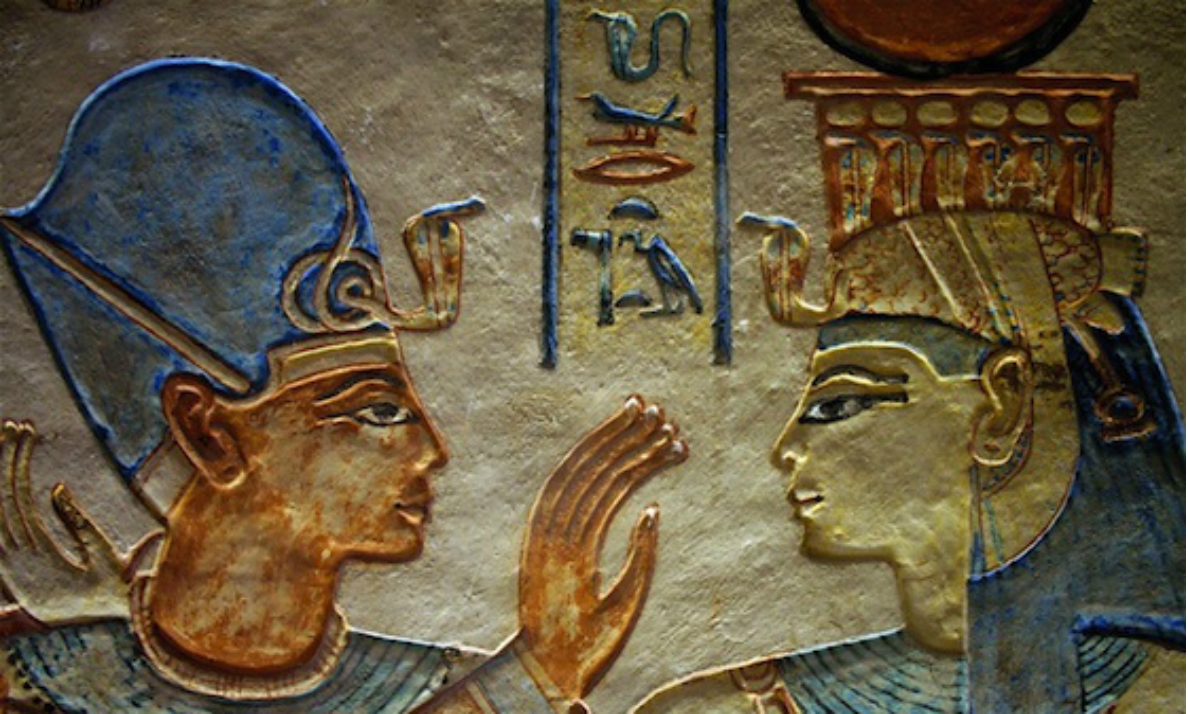
Color wasn’t an aesthetic choice; it was a symbolic one. The Egyptians had a limited palette, but each hue was loaded with meaning:
- Green (Wadj): Represented new life, growth, and resurrection. This is why Osiris, the god of the dead, is often depicted with green skin.
- Blue (Khesbedj): Symbolized the sky and the Nile. It was the color of creation and fertility.
- Red (Desher): A tricky one. It represented fire and fury, but also life and victory. It was the color of the desert (the “Red Land”).
- Black (Kem): Unlike our modern association with mourning, black was the color of life. It represented the fertile silt left behind by the Nile, symbolizing rebirth.
2. The Hieroglyphic Connection
In Egypt, there was no line between “art” and “writing.” A painting of a seated god was essentially a giant version of a hieroglyph. This is where students often struggle—treating the image and the text as separate entities. In reality, they are one and the same.
When you analyze a relief, look at the size of the figures. This is called hierarchic scale. The most important person (usually the Pharaoh) is the largest. If you are struggling to categorize these visual rules in your research paper, seeking academic support can help you organize your thoughts and ensure your bibliography is up to snuff.
3. Animal Imagery and Divine Attributes
The Egyptians didn’t think their gods were actually humans with animal heads. Instead, the animal head was a symbol of the god’s character.
- The Falcon (Horus): Represented the sky and kingship.
- The Jackal (Anubis): Associated with mummification and protection of the dead.
- The Scarab (Khepri): Represented the sun and the idea of transformation.
As an art history student, your job is to track how these symbols shifted during different periods. For example, during the Amarna Period under Akhenaten, the symbolism shifted from a pantheon of animals to a single sun disc (the Aten) with hands reaching down to provide life.
4. The Lotus and the Papyrus: A Political Statement
One of the most common symbols you’ll see is the binding of the lotus (Upper Egypt) and the papyrus (Lower Egypt). This symbol, known as the Sema Tawy, represented the unification of the country. Even in art, the Egyptians were constantly reinforcing the idea that the King held the two lands together.
How to Write About Egyptian Art Like a Pro
When it’s time to put your observations into a formal paper, remember that your professors aren’t just looking for a list of facts. They want to see critical thinking.
- Ask why: Why did the artist choose a specific material? (e.g., gold was considered the “flesh of the gods”).
- Compare and Contrast: How does a statue from the Old Kingdom differ in symbolism from a Ptolemaic one?
- Contextualize: Who was the intended audience? Usually, it wasn’t the living—it was the gods or the deceased.
Conclusion
Understanding the evolution of symbolism in Egyptian art is more than just a history lesson; it’s about learning to see the world through the eyes of a civilization that viewed every brushstroke as a bridge to the eternal. For the modern art history student, these symbols provide a roadmap to the cultural and spiritual values of the Nile Valley. While the rigid traditions of Egyptian aesthetics can feel daunting to analyze, breaking down the specific meanings of color, scale, and iconography makes the subject far more manageable.
As you continue your studies, remember that even the most seasoned scholars started where you are today. Mastering the visual language of the Pharaohs takes time and patience. If you ever find the research overwhelming, don’t hesitate to lean on expert resources and academic support to help sharpen your perspective. By looking beyond the surface of these ancient masterpieces, you’re not just viewing art—you’re uncovering the very soul of one of humanity’s greatest civilizations.
Keep an eye for more latest news & updates on Ancient Artz!