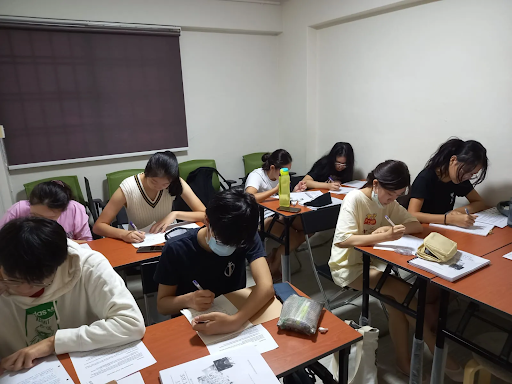
Why English Tuition for Secondary Students Matters More Than Ever
Secondary school can be a challenging time for students in Singapore. As they move from foundational learning in primary school to more advanced subjects and language requirements, the pressure increases—especially when it comes to mastering English. For many, this is when English tuition for secondary students becomes not just helpful, but necessary.
The Growing Importance of English in Secondary School
At the secondary level, English is no longer just about basic grammar and vocabulary. It evolves into a subject that demands critical thinking, literary analysis, strong writing skills, and the ability to interpret nuanced texts. English plays a central role in every aspect of a student’s academic life, from understanding questions in other subjects to expressing ideas clearly in essays and oral exams.
With this shift, students often find it hard to keep up, especially if their foundation in English is weak. That’s where English tuition for secondary learners becomes an essential support system. Not only does it help bridge the gap, but it also prepares students for crucial national examinations like the O-Levels.
What Makes English Tuition for Secondary Levels Effective?
Good English tuition isn’t just about drilling students with worksheets. It focuses on guiding them to understand the structure and purpose of the language. This includes writing compelling compositions, summarising texts accurately, and answering comprehension questions with clarity and precision.
A well-designed English tuition programme will usually offer:
- Personalised feedback: Teachers can pinpoint areas where a student struggles—be it grammar, coherence, vocabulary, or comprehension—and give targeted help.
- Exam preparation techniques: Tutors provide proven strategies for tackling different sections of the exam, from situational writing to comprehension and summary writing.
- Speaking and listening practice: These components are often overlooked in school due to time constraints but are crucial for oral exams and real-life communication.
Addressing Common Challenges Faced by Secondary Students
One of the biggest hurdles secondary students face is transitioning from descriptive writing to argumentative and expository writing. Many find it hard to present logical points, build persuasive arguments, and maintain coherence in longer essays.
Another issue is a lack of exposure to a wide range of vocabulary and literary texts. Schools may follow a set syllabus, but tuition can provide supplementary material that broadens a student’s understanding and appreciation of different genres, styles, and authors.
Reading comprehension can also be a struggle. Understanding context, identifying tone, recognising literary devices, and drawing inferences are all skills that need time and practice to develop. In tuition, students are exposed to a variety of texts, improving both their reading speed and depth of understanding.
How English Tuition Builds Confidence
Confidence is a critical, yet often overlooked, factor in a student’s performance. Students who constantly receive low grades may begin to believe they are “bad at English,” leading to a lack of motivation and further decline in performance.
A nurturing tuition environment provides encouragement and support that many students need. As they begin to grasp concepts and see improvement in their work, their confidence grows. This, in turn, positively impacts their classroom performance and exam results.
One-on-One vs Group Tuition: Which Is Better?
Choosing between individual and group tuition depends on the student’s learning style and needs.
- One-on-one tuition offers customised lessons tailored to the student’s pace and weaknesses. It is especially effective for students who are shy or need extra help in specific areas.
- Group tuition provides interaction and peer learning opportunities. Students often benefit from discussing ideas, comparing writing styles, and seeing how others approach the same question differently.
Some centres offer a hybrid model, where students can attend group sessions while booking individual consultations when needed.
The Role of Parents in Supporting English Learning
While tuition can offer professional guidance, the role of parents cannot be understated. Encouraging your child to read widely, converse in English at home, and develop an interest in English films, books, and media can make a significant difference.
Parents should also maintain open communication with the tutor, regularly reviewing progress and discussing areas that need more attention. A combined effort from both home and tuition can provide the comprehensive support a student needs.
Real Results: How English Tuition Translates to Academic Success
Many secondary students who join English tuition see significant improvement in their grades. More importantly, they begin to view the subject differently—not just as a school requirement, but as a tool for effective communication and self-expression.
Students often report better time management during exams, more structured writing, and increased vocabulary. These improvements don’t just help with English—they benefit subjects like History, Literature, and even Science, where strong language skills are essential for answering open-ended questions.
Final Thoughts
In today’s competitive academic environment, strong English skills are not just helpful—they are vital. From tackling secondary school assessments to preparing for life beyond school, mastering English builds the foundation for success. That’s why investing in English tuition for secondary students is one of the smartest moves parents can make.
Whether your child is struggling or aiming for excellence, the right tuition can make all the difference—not just in grades, but in confidence, communication, and critical thinking. After all, English is more than a subject. It’s a skill for life.
Keep an eye for more latest news & updates on Ancient Artz!