Future-Proof Your Home with These Upgrades
In today’s fast-paced world, homes are no longer just places to live—they’re spaces where technology, sustainability, and lifestyle converge. Whether you’re planning to sell in the future, improve energy efficiency, or simply make daily life more convenient, future-proofing your home is a smart move. The key is to make upgrades that add long-term value, enhance comfort, and adapt to evolving needs. Here’s a comprehensive guide to home improvements that will keep your property ahead of the curve.
1. Smart Home Technology Integration
Smart homes aren’t just a trend—they’re the future. Integrating technology into your living space can make everyday life easier, safer, and more energy-efficient. Consider the following upgrades:
- Smart Thermostats: Devices like the Nest or Ecobee learn your daily routines and adjust heating and cooling accordingly, reducing energy bills. They can also be controlled remotely, giving you flexibility when you’re away.
- Voice-Controlled Assistants: Amazon Alexa, Google Home, and Apple HomePod can manage everything from lighting to music, making your home more intuitive and connected.
- Smart Security Systems: Modern security systems offer real-time alerts, facial recognition, and remote monitoring, keeping your home safe without the hassle of traditional setups.
- Automated Lighting: Motion sensors, dimmable LED lights, and programmable schedules not only improve convenience but also lower electricity consumption.
These upgrades aren’t just functional—they also increase your home’s appeal to tech-savvy buyers, ensuring your property remains attractive in a digital-first future.
2. Energy Efficiency and Sustainable Upgrades
Energy-efficient homes are becoming increasingly desirable, not only for environmental reasons but also for long-term savings. Here are some upgrades to consider:
- Solar Panels: Solar technology has become more affordable and efficient. Installing panels reduces dependence on the grid and can even allow you to sell excess energy back to utility companies.
- Energy-Efficient Windows and Doors: Modern double or triple-glazed windows improve insulation, reduce heating costs, and minimize noise pollution.
- High-Efficiency HVAC Systems: Upgrading to energy-efficient heating, ventilation, and air conditioning systems can significantly reduce energy consumption while providing better temperature control.
- Insulation Upgrades: Proper insulation in walls, attics, and basements prevents heat loss in winter and keeps interiors cooler in summer.
These sustainable solutions not only help the planet but also improve the resale value of your home by reducing monthly energy bills and demonstrating a commitment to environmentally friendly living.
3. Flexible and Multi-Functional Spaces
The past few years have shown us the value of adaptable living spaces. Homes that can accommodate multiple functions are more resilient and attractive to future buyers. Consider:
- Home Offices: Even if you don’t work from home now, having a dedicated office space can increase your home’s appeal, especially for professionals.
- Convertible Rooms: Rooms that serve dual purposes—like a guest room that doubles as a home gym or a study—maximize space without permanent renovations.
- Open-Plan Layouts: These provide flexibility for rearranging furniture, hosting gatherings, or accommodating changing family needs over time.
Future-proof homes are adaptable, allowing homeowners to pivot as lifestyle needs evolve without costly remodeling.
4. Advanced Plumbing and Electrical Systems
While less glamorous than smart gadgets, upgrading core infrastructure is essential for long-term home functionality. Outdated systems can lead to costly repairs or safety hazards.
- Updated Electrical Panels: Homes built decades ago may not handle modern energy demands. Upgrading panels ensures you can safely run new technology, appliances, and HVAC systems.
- Plumbing Improvements: Modern piping materials such as PEX are more durable than older copper or galvanized systems. Adding water-efficient fixtures like low-flow toilets and faucets can reduce water bills and support environmental goals.
- Whole-Home Surge Protection: Protects expensive electronics and appliances from voltage spikes, an increasingly important consideration as we rely more on connected devices.
Investing in these hidden upgrades may not be immediately visible, but they provide peace of mind and protect the long-term value of your home.
5. Outdoor Living Enhancements
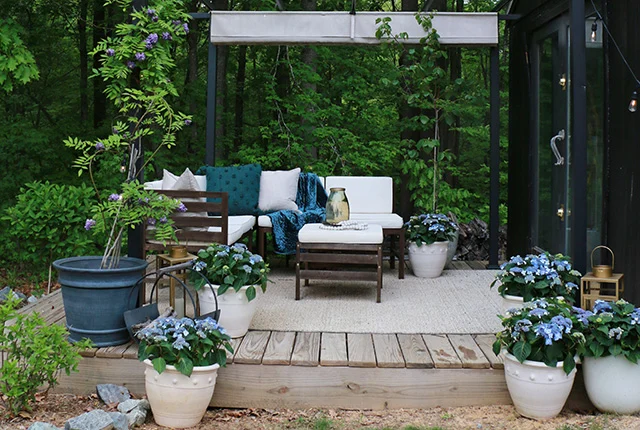
Outdoor spaces have become extensions of indoor living areas. Future-proofing your home means creating functional, comfortable exteriors that adapt to both leisure and changing climates.
- Durable Decking and Patios: Materials like composite wood or weather-resistant stone reduce maintenance and last longer than traditional wood decks.
- Outdoor Kitchens and Fire Pits: These amenities increase both lifestyle value and resale appeal, making your backyard a hub for entertaining.
- Smart Irrigation Systems: Automated watering based on weather conditions saves water and keeps landscaping thriving with minimal effort.
- Energy-Efficient Exterior Lighting: Solar-powered or motion-sensor lighting enhances security while reducing electricity usage.
A well-designed outdoor area increases your living space, improves quality of life, and adds lasting value.
6. Home Health and Air Quality Upgrades
A healthy home environment is increasingly important, especially as we spend more time indoors. Future-proofing should include systems that promote wellness:
- Air Purifiers and Ventilation Systems: Modern systems remove allergens, pollutants, and pathogens from indoor air.
- Humidity Control: Dehumidifiers or integrated HVAC humidity controls prevent mold growth and maintain comfort.
- Low-VOC Paints and Materials: Choosing eco-friendly materials reduces harmful chemicals indoors and supports long-term health.
- Water Filtration Systems: Ensuring clean, safe water enhances overall well-being and adds a layer of security for future occupants.
These upgrades not only improve everyday comfort but also position your home as a modern, health-conscious living space.
7. Future-Ready Garage and Storage Solutions
Garages and storage areas often get overlooked, but they are critical for long-term home functionality.
- EV Charging Stations: As electric vehicles become more common, a home charging station adds tremendous value and convenience.
- Smart Storage Solutions: Modular shelves, overhead racks, and built-in cabinets keep spaces organized and adaptable for changing storage needs.
- Workshops and Hobby Spaces: Providing room for hobbies, DIY projects, or repairs can appeal to buyers looking for versatile home spaces.
Investing in a forward-thinking garage setup ensures that your home accommodates future technology and lifestyle changes.
8. Home Security and Resilience
Security and resilience upgrades are essential to protect both your family and your investment.
- Reinforced Doors and Windows: Strong locks, laminated glass, and impact-resistant doors improve safety.
- Security Cameras and Sensors: Modern systems allow monitoring from anywhere in the world, giving homeowners control and peace of mind.
- Backup Power Solutions: Generators or battery storage systems ensure continued power during outages, a growing concern as extreme weather becomes more common.
- Flood and Fire Prevention: Elevating key appliances, using fire-resistant materials, and installing smoke or flood detectors prepare your home for potential disasters.
By anticipating potential risks, you safeguard your home against future challenges while enhancing resale appeal.
9. Incorporating Future Trends in Design
Finally, staying ahead in design can future-proof your home aesthetically.
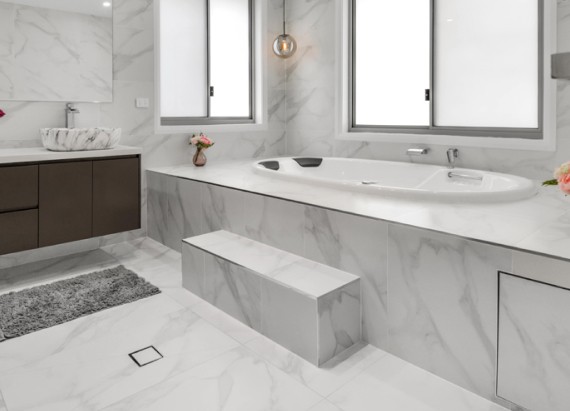
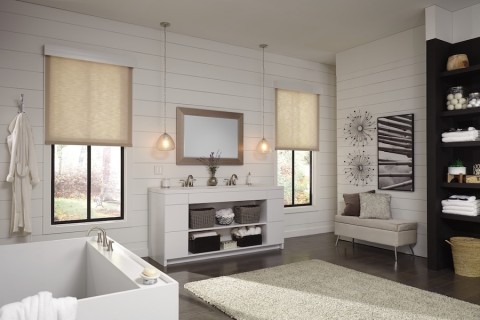
- Neutral and Timeless Interiors: Colors, finishes, and fixtures that transcend trends reduce the need for frequent updates.
- Sustainable and Minimalist Design: A focus on simplicity, natural materials, and functionality resonates with eco-conscious buyers.
- Technology-Friendly Infrastructure: Planning spaces for hidden wiring, charging stations, and media hubs keeps interiors modern without clutter.
Combining style with functionality ensures that your home remains appealing for years to come.
Conclusion
Future-proofing your home is not just about keeping up with trends—it’s about thoughtful upgrades that combine comfort, efficiency, and longevity. From smart technology and sustainable energy solutions to adaptable spaces and health-conscious features, each improvement adds value both today and for the years ahead. Whether you plan to stay in your home for decades or sell it in the near future, these upgrades create a home that meets evolving needs, withstands environmental and technological changes, and provides a lifestyle that feels effortless and modern.