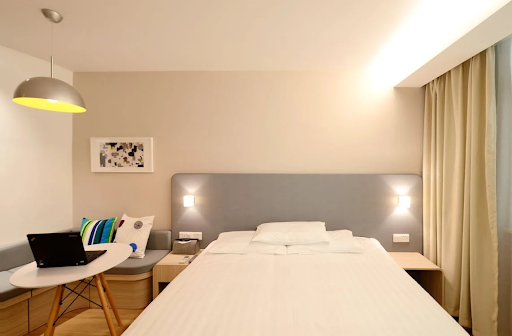
Best Bed Placement Tips for Better Space and Comfort
The way we place the bed in a bedroom has a major impact on both comfort and the overall feel of the space. Since the bed is the largest and most important piece of furniture in the room, its position can influence movement, lighting, airflow, and even sleep quality. With a thoughtful layout, we can make the room feel more spacious, organized, and relaxing without needing any major changes.
Start by Understanding the Room Layout
Before deciding where to place the bed, it’s important to analyze the shape and size of the bedroom. Every room is different, and the best placement depends on factors like window locations, doors, and available wall space.
We should first identify the main focal points of the room and consider how we move within the space. A good layout allows easy access to the bed while maintaining clear walking paths. Avoid placing the bed in a position that blocks doors, windows, or essential furniture pieces.
Place the Bed Against the Main Wall
In most cases, placing the bed against the main or longest wall works best. This creates a natural focal point and helps organize the rest of the room around it.
When the bed is anchored to a solid wall, it provides a sense of stability and balance. It also frees up space on other walls for storage units, desks, or decorative elements. This setup is especially helpful in small bedrooms where efficient use of space is important.
Avoid Blocking Windows and Natural Light
Natural light plays an important role in making a bedroom feel open and comfortable. Placing the bed in front of a window can block light and reduce ventilation.
We should try to position the bed in a way that allows sunlight to enter the room freely during the day. If placement near a window is unavoidable, using light curtains or blinds can help manage light without completely blocking it. Keeping windows unobstructed also improves airflow, which contributes to better sleep.
Maintain Proper Walking Space Around the Bed
Comfort isn’t just about the bed itself—it also depends on how easily we can move around it. Leaving enough space on at least one or both sides of the bed improves accessibility and usability.
In smaller rooms, one side of the bed may be placed against a wall to save space. In larger rooms, centering the bed with equal space on both sides creates a more balanced look. Ideally, there should be enough room to walk comfortably and access nightstands or storage areas without obstruction.
Position the Bed for a Clear View of the Door
Many people prefer placing the bed in a position where the door is visible without being directly in line with it. This creates a sense of comfort and awareness within the room.
This layout is often considered practical because it allows us to see who enters the room without feeling exposed. However, the bed should not be directly aligned with the door, as this can disrupt privacy and create an unbalanced layout. A slight diagonal or side-facing position often works best.
Avoid Placing the Bed Under a Beam or Sloped Ceiling
Structural elements like beams or sloped ceilings can affect how comfortable a bed placement feels. Placing the bed directly under a low ceiling or beam may create a cramped feeling.
We should try to position the bed in an area with sufficient headroom to maintain comfort. If the room has architectural constraints, placing the bed in a more open section of the room helps avoid visual pressure and improves the overall atmosphere.
Keep Electrical Outlets and Lighting in Mind
Bed placement should also consider access to electrical outlets and lighting fixtures. Having nearby outlets makes it easier to use bedside lamps, chargers, or other devices.
We should ensure that the bed is positioned in a way that allows convenient access to switches and plugs without using long or messy cables. This not only improves functionality but also helps maintain a clean and organized look in the bedroom.
Balance the Room with Symmetry
Symmetry can make a bedroom feel more organized and visually appealing. When possible, placing matching nightstands or lamps on both sides of the bed creates a balanced layout.
Even in smaller rooms, simple symmetry can be achieved by aligning the bed centrally on a wall or using consistent decor elements. This balance helps the room feel more structured and less cluttered, contributing to a relaxing environment.
Consider Airflow and Ventilation
Good airflow is essential for a comfortable sleeping environment. The bed should be placed in a position that allows air to circulate freely around it.
Avoid placing the bed in corners where airflow is restricted. If the room has a fan or air conditioning unit, the bed should be positioned so that airflow reaches it evenly without being too direct or too weak. Proper ventilation improves sleep quality and overall comfort.
Avoid Clutter Around the Bed Area
The area around the bed should remain as clean and uncluttered as possible. Too many items near the bed can make the space feel crowded and reduce relaxation.
We should limit unnecessary furniture or decorations around the bed and focus on keeping only essential items like a nightstand or small storage unit. A clean and open space around the bed enhances both comfort and visual appeal.
Adjust Placement Based on Room Size
In small bedrooms, bed placement needs to prioritize space efficiency. Corner placement or wall-aligned positioning can help maximize available floor area.
In larger bedrooms, we have more flexibility to center the bed and create a balanced layout with additional furniture. Regardless of room size, the goal is to maintain a layout that feels comfortable, functional, and easy to navigate.
Conclusion
Bed placement is a crucial factor in designing a comfortable and functional bedroom. By considering room layout, natural light, airflow, symmetry, and accessibility, we can position the bed in a way that enhances both space and comfort. A well-placed bed not only improves movement and organization but also contributes to better sleep and a more relaxing environment. With a thoughtful approach, even small adjustments in bed placement can make a significant difference in how the entire bedroom feels and functions.