Room-by-Room Home Improvement Guide
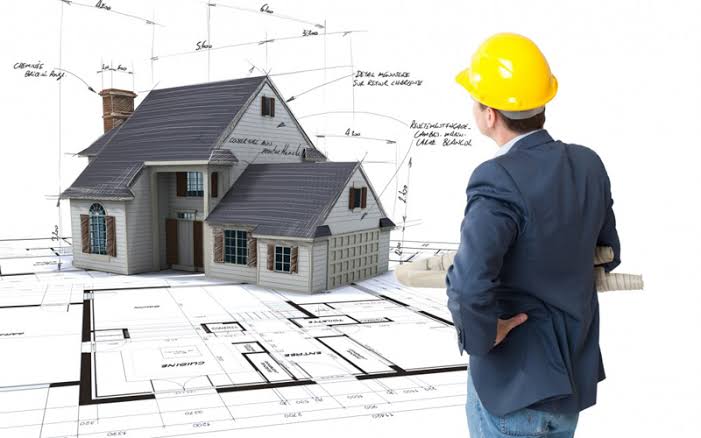
Improving your home can feel overwhelming when you look at the entire property at once. A more practical approach is to tackle one room at a time. By focusing on individual spaces, homeowners can create a clear plan, manage costs effectively, and achieve noticeable improvements without the stress of a full-scale renovation.
Whether you’re updating an older house, preparing a property for sale, or simply making your living space more comfortable, a room-by-room strategy allows you to maximize both functionality and style. This comprehensive guide explores improvement ideas for every major area of your home, helping you transform your property step by step.
Why a Room-by-Room Approach Works
Many homeowners begin renovation projects with enthusiasm but quickly become overwhelmed by the scale of the work. A room-by-room approach breaks large projects into manageable tasks.
Benefits include:
- Better budget control
- Easier project planning
- Less disruption to daily life
- Faster visible results
- Improved organization
- Greater flexibility for future upgrades
By completing one room before moving to the next, you can enjoy progress without turning your entire home into a construction zone.
Improving the Entryway
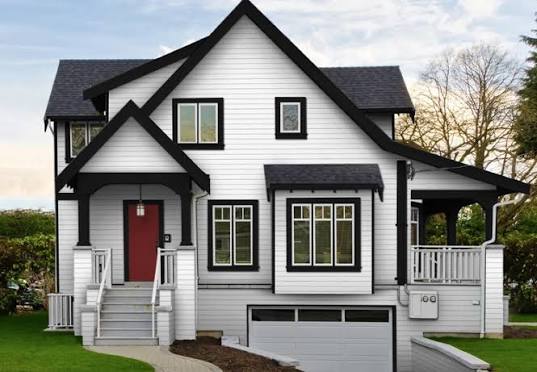
Your entryway creates the first impression of your home. A welcoming entrance instantly sets the tone for visitors and enhances curb appeal.
Upgrade the Front Door
A fresh coat of paint can dramatically improve your home’s appearance. Popular colors include navy blue, black, deep green, and classic red.
Consider adding:
- Modern door hardware
- Smart locks
- Decorative house numbers
- Stylish outdoor lighting
Improve Storage
Entryways often become cluttered with shoes, bags, and jackets. Add practical storage solutions such as:
- Wall hooks
- Built-in benches
- Shoe cabinets
- Floating shelves
These additions keep the area organized and functional.
Enhance Lighting
Proper lighting makes the entrance feel inviting. Replace outdated fixtures with modern alternatives that complement your home’s style.
Living Room Improvements
The living room serves as the heart of many homes. It’s where families gather, entertain guests, and relax after a long day.
Refresh the Walls
Painting remains one of the most affordable improvements available. Neutral colors create a timeless look while making spaces feel larger and brighter.
Popular choices include:
- Soft gray
- Warm beige
- Off-white
- Light taupe
Update Flooring
Flooring has a major impact on the room’s appearance.
Options include:
- Hardwood flooring
- Luxury vinyl planks
- Engineered wood
- Modern laminate
Area rugs can also add warmth and visual interest.
Improve Lighting Layers
Use a combination of:
- Ceiling lights
- Floor lamps
- Table lamps
- Accent lighting
Layered lighting creates a more comfortable and versatile environment.
Add Built-In Storage
Custom shelving and entertainment units help reduce clutter while increasing functionality.
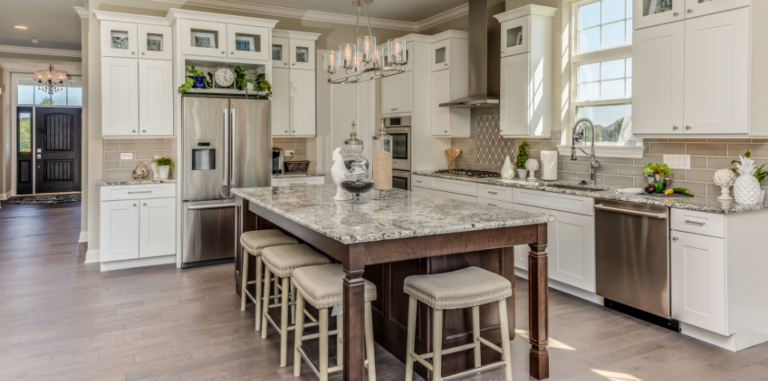
Kitchen Improvements
The kitchen often delivers the highest return on investment when upgraded properly.
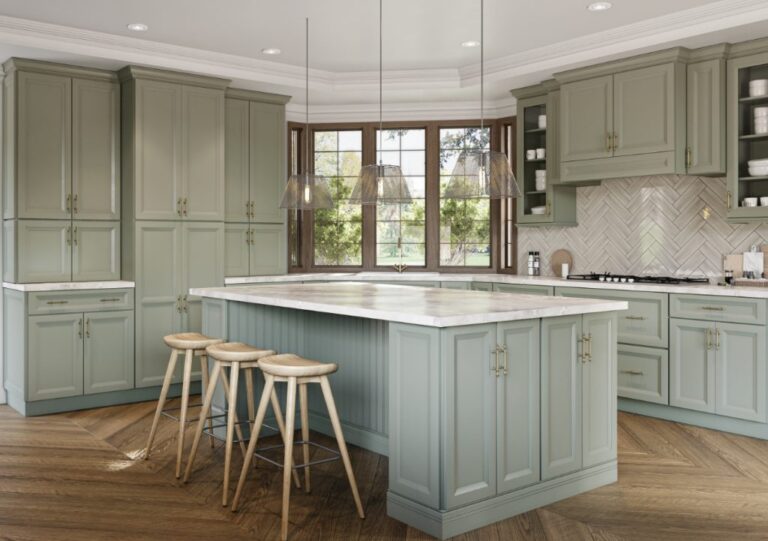
Refinish Cabinets
Replacing cabinets can be expensive. Instead, consider:
- Painting cabinet doors
- Installing new handles
- Replacing hinges
- Adding soft-close mechanisms
These simple upgrades can make cabinets look brand new.
Upgrade Countertops
Modern countertop materials include:
- Quartz
- Granite
- Butcher block
- Solid surface materials
Choose durable surfaces that match your lifestyle and design preferences.
Install a Backsplash
A backsplash protects walls while adding style. Popular materials include:
- Subway tile
- Glass tile
- Stone
- Ceramic tile
Improve Kitchen Lighting
Focus on three types of lighting:
- Task lighting
- Ambient lighting
- Accent lighting
Under-cabinet lighting is particularly effective for improving workspace visibility.
Upgrade Appliances
Energy-efficient appliances reduce utility costs while enhancing functionality.
Look for appliances with:
- Smart features
- Energy-saving certifications
- Modern finishes
- Improved performance
Dining Room Enhancements
The dining room is often overlooked during home improvement projects, yet it can become a beautiful gathering space.
Install a Statement Light Fixture
A chandelier or pendant light can become the room’s focal point.
Choose a fixture that matches the room’s size and overall design.
Add Decorative Features
Enhance visual appeal with:
- Accent walls
- Decorative molding
- Wainscoting
- Artwork
These details create a more polished appearance.
Improve Seating Comfort
Comfortable dining chairs encourage longer and more enjoyable meals.
Consider reupholstering older chairs instead of replacing them.
Bedroom Improvements
Bedrooms should provide comfort, relaxation, and functionality.
Upgrade the Paint Color
Soft colors create a peaceful atmosphere.
Popular bedroom shades include:
- Light blue
- Sage green
- Soft gray
- Warm white
Improve Storage
Maximize space with:
- Built-in wardrobes
- Under-bed storage
- Floating shelves
- Closet organizers
A clutter-free bedroom promotes relaxation.
Install Better Lighting
Include multiple light sources such as:
- Bedside lamps
- Ceiling fixtures
- Reading lights
- Dimmable lighting
This flexibility allows you to adjust lighting based on your needs.
Upgrade Window Treatments
Quality curtains or blinds improve:
- Privacy
- Energy efficiency
- Light control
- Overall appearance
Master Bedroom Upgrades
The master bedroom deserves additional attention because it serves as a personal retreat.
Create a Feature Wall
Accent walls can add character without overwhelming the room.
Popular materials include:
- Wood panels
- Wallpaper
- Textured paint
- Decorative molding
Improve Comfort
Invest in:
- Quality mattresses
- Supportive pillows
- Comfortable bedding
- Area rugs
Small comfort upgrades often provide significant benefits.
Add Smart Technology
Modern bedroom improvements may include:
- Smart lighting
- Automated blinds
- Smart thermostats
- Wireless charging stations
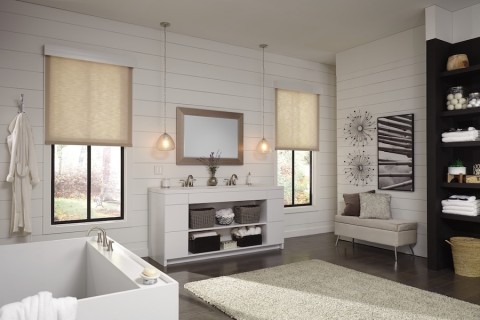
Bathroom Improvements
Bathrooms are among the most frequently used spaces in any home.
Replace Fixtures
Modern faucets, showerheads, and hardware instantly update the room.
Look for water-efficient fixtures that reduce consumption without sacrificing performance.
Upgrade the Vanity
A new vanity can completely transform a bathroom’s appearance.
Consider:
- Double sinks
- Additional storage
- Modern countertops
- Updated mirrors
Improve Ventilation
Proper ventilation prevents moisture-related problems.
Install high-quality exhaust fans to reduce humidity and protect finishes.
Enhance Lighting
Combine overhead lighting with task lighting around mirrors for improved functionality.
Guest Bathroom Updates
Guest bathrooms do not require major investments to make a strong impression.
Simple upgrades include:
- New towels
- Fresh paint
- Updated hardware
- Decorative mirrors
- Stylish accessories
These changes create a clean and welcoming environment.
Home Office Improvements
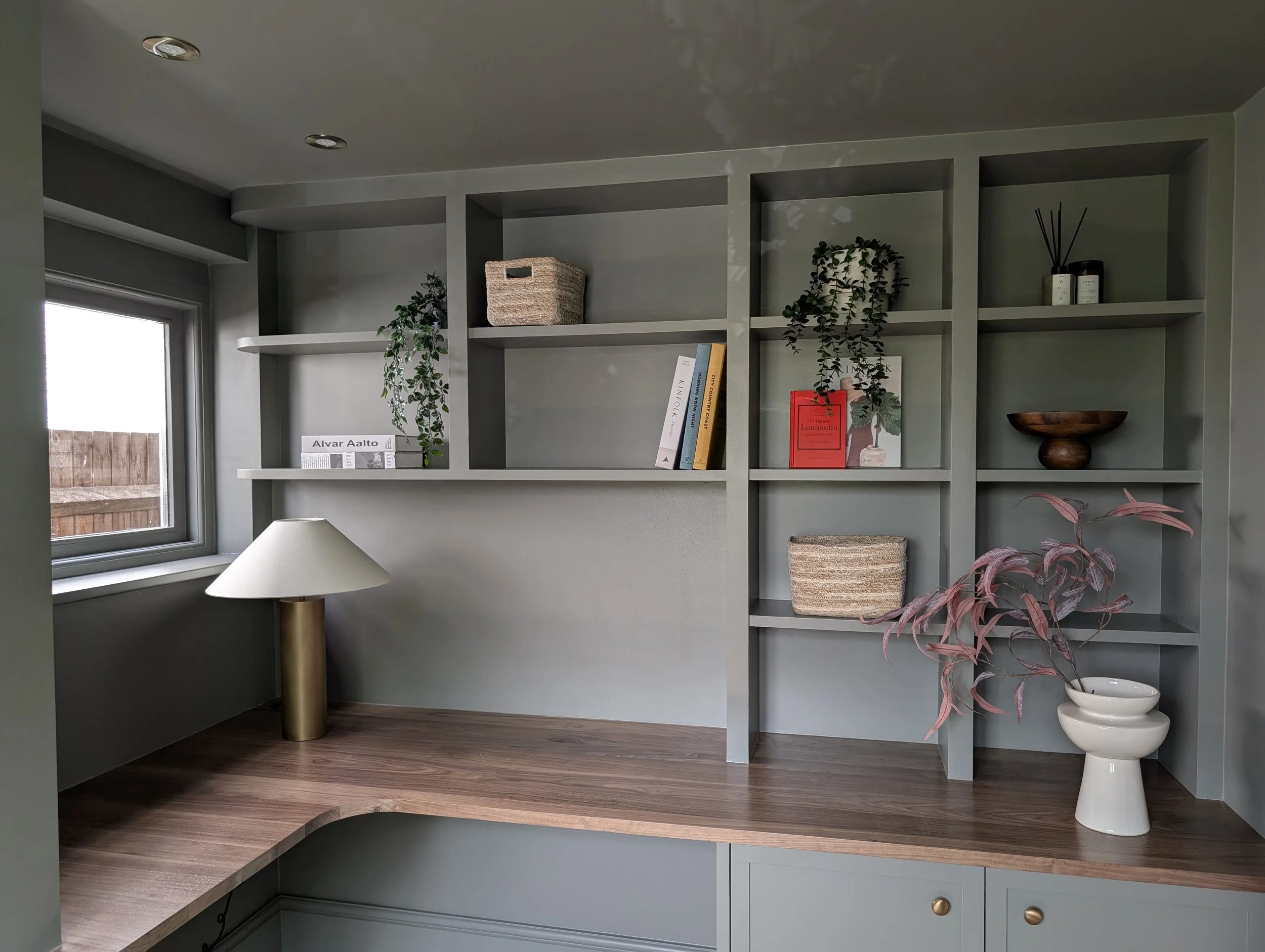
Remote work has increased the importance of dedicated office spaces.
Improve Ergonomics
Invest in:
- Adjustable chairs
- Proper desk height
- Monitor stands
- Keyboard trays
Comfort directly affects productivity.
Upgrade Technology
Modern home offices benefit from:
- High-speed internet
- Cable management systems
- Adequate outlets
- Smart lighting
Maximize Organization
Use:
- Filing cabinets
- Shelving systems
- Storage bins
- Desk organizers
An organized office improves focus and efficiency.
Laundry Room Improvements
Laundry rooms are often purely functional, but thoughtful improvements can make them more enjoyable.
Add Storage
Install:
- Cabinets
- Shelves
- Hanging rods
- Storage baskets
Efficient storage reduces clutter.
Improve Lighting
Bright lighting makes laundry tasks easier and safer.
Upgrade Appliances
Modern washers and dryers often use less water and energy while offering better performance.
Basement Improvements
Basements provide valuable opportunities for expanding usable living space.
Address Moisture Issues First
Before any renovation:
- Repair leaks
- Improve drainage
- Seal cracks
- Install dehumidifiers if necessary
Create Functional Spaces
Basements can become:
- Home theaters
- Game rooms
- Guest suites
- Fitness areas
- Home offices
Improve Insulation
Proper insulation increases comfort and energy efficiency.
Garage Improvements
The garage is more than a place to park vehicles.
Organize Storage
Use:
- Wall-mounted racks
- Ceiling storage
- Cabinets
- Tool organizers
Upgrade Flooring
Epoxy floor coatings provide:
- Improved durability
- Easier cleaning
- Better appearance
- Resistance to stains
Improve Lighting
Bright LED fixtures improve visibility and safety.
Outdoor Living Space Improvements
Outdoor areas extend your home’s usable space.
Upgrade the Patio
Enhancements may include:
- New furniture
- Outdoor rugs
- Shade structures
- Decorative lighting
Improve Landscaping
Simple landscaping projects include:
- Planting flowers
- Adding mulch
- Trimming shrubs
- Installing garden borders
Create Entertainment Areas
Consider adding:
- Fire pits
- Outdoor kitchens
- Seating zones
- Dining areas
These features make outdoor spaces more enjoyable.
Improving Energy Efficiency Throughout the Home
Energy-efficient upgrades benefit every room.
Replace Old Windows
Modern windows improve:
- Insulation
- Comfort
- Noise reduction
- Energy savings
Upgrade Insulation
Proper insulation helps maintain consistent indoor temperatures.
Install Smart Thermostats
Smart thermostats automatically adjust heating and cooling for maximum efficiency.
Switch to LED Lighting
LED bulbs consume significantly less energy and last much longer than traditional bulbs.
Budgeting for Room-by-Room Improvements
Successful home improvement projects begin with realistic budgeting.
Consider these steps:
- Prioritize essential repairs.
- Create a detailed spending plan.
- Research material costs.
- Obtain multiple contractor estimates.
- Set aside a contingency fund.
Spreading projects over time can make improvements more affordable while reducing financial stress.
Common Home Improvement Mistakes to Avoid
Many homeowners make costly mistakes during renovation projects.
Avoid:
- Ignoring structural issues
- Choosing trends over functionality
- Underestimating budgets
- Using low-quality materials
- Neglecting proper planning
- Over-improving for the neighborhood
Careful preparation helps prevent unnecessary expenses and disappointment.
Final Thoughts
A room-by-room home improvement strategy allows homeowners to make meaningful progress without becoming overwhelmed. By focusing on one space at a time, you can carefully plan upgrades, manage expenses, and create a home that better suits your lifestyle.
From refreshing the entryway and modernizing the kitchen to upgrading bedrooms, bathrooms, and outdoor living areas, every improvement contributes to a more comfortable, attractive, and valuable property. The key is to prioritize projects based on your goals, budget, and daily needs. With thoughtful planning and consistent effort, even small changes can produce remarkable results throughout your home.