Viltnemnda Explained: How Norway’s Local Wildlife Boards Keep Nature in Balance
When we talk about wildlife management, most people imagine national parks, big government agencies, or global conservation groups. But in Norway, a lot of the real work happens at the local level through something called viltnemnda. It may sound like a complex term at first, but once we break it down, it’s actually a practical and community-focused system that plays a huge role in keeping wildlife, humans, and nature in balance.
In this guide, we’ll walk through what viltnemnda really is, how it works, why it matters, and how it connects to everyday life in Norway. We’ll keep things simple, real, and useful so you can clearly understand how this local wildlife board system operates.
What Does “Viltnemnda” Actually Mean?
The word “viltnemnda” comes from Norwegian:
- “Vilt” = wildlife (especially game animals)
- “Nemnda” = committee or board
So, in simple terms, viltnemnda means wildlife board.
But it’s more than just a name. It represents a local decision-making group that understands the specific needs of its area—whether that’s forests, mountains, or rural farmland.
Why Norway Uses Local Wildlife Boards
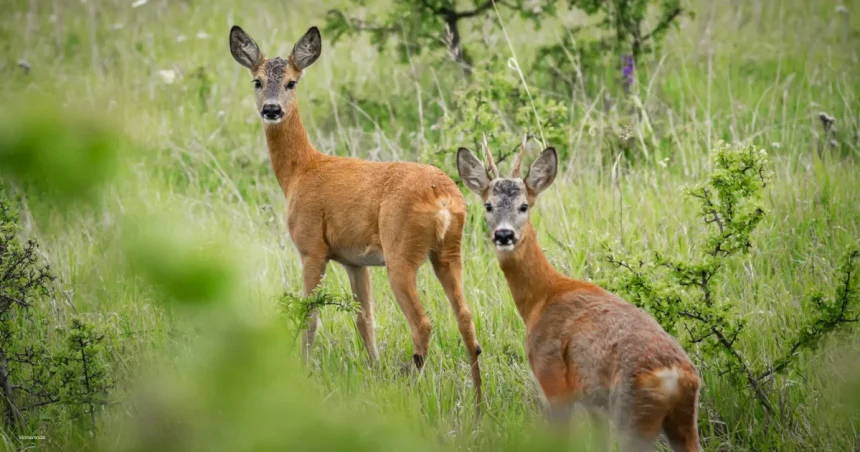
Norway is known for its strong connection to nature. With large forests, mountains, and rural areas, wildlife plays a big role in everyday life. Animals like moose, deer, reindeer, and small game species are common, and managing them properly is essential.
Instead of controlling everything from a central authority, Norway uses a decentralized system. That means decisions are made closer to the ground, by people who actually know the local environment.
This is where viltnemnda comes in.
We can think of it as a smart way to:
- Balance wildlife populations
- Protect ecosystems
- Support sustainable hunting traditions
- Reduce conflicts between animals and humans
The Core Responsibilities of Viltnemnda
Viltnemnda isn’t just symbolic—it has real responsibilities that affect both wildlife and communities.
Managing Sustainable Hunting
One of the biggest roles of viltnemnda is regulating hunting at the local level. This includes:
- Setting quotas for animals like moose and deer
- Deciding hunting seasons in line with national rules
- Monitoring population levels
The goal here isn’t just hunting—it’s sustainable hunting. That means making sure animal populations stay healthy for the long term.
We can think of it as controlled balance. Too many animals can damage forests and farms, while too few can harm ecosystems.
Handling Wildlife Conflicts
Wildlife doesn’t always stay in forests. Sometimes animals enter towns, damage crops, or even create dangerous situations on roads.
Viltnemnda steps in to manage these issues:
- Moose wandering into urban areas
- Deer damaging farmland
- Predators causing concern for livestock
They work on solutions that are practical and humane, balancing safety with conservation.
Roadkill Management
This is a surprisingly important part of their job.In Norway, animal-vehicle collisions are not uncommon, especially with large animals like moose. When accidents happen, viltnemnda is involved in:
- Organizing response teams
- Tracking incidents
- Ensuring injured animals are handled properly
This helps maintain both road safety and animal welfare.
Issuing Permits and Decisions
Viltnemnda also handles local permits related to wildlife. This includes:
- Special hunting permissions
- Damage control approvals
- Decisions on wildlife interventions
They operate within national laws but have flexibility to adapt decisions based on local conditions.
How Viltnemnda Fits Into Norwegian Law
Even though viltnemnda works locally, it doesn’t operate independently. It follows national laws and regulations related to wildlife management.
These laws define:
- What animals can be hunted
- When hunting is allowed
- How wildlife should be protected
Viltnemnda acts as the local executor of these laws.
We can think of it like this:
- National law sets the rules
- Viltnemnda applies them locally
This combination ensures consistency while allowing flexibility.
Who Makes Up Viltnemnda?
Viltnemnda is typically made up of local representatives appointed by the municipality.
These members often have:
- Knowledge of local wildlife
- Experience with hunting or land management
- Understanding of community needs
They are not random officials—they’re people connected to the area.
This local expertise is what makes the system effective. Decisions are based on real-world knowledge, not just theory.
Why Sustainable Hunting Matters
To understand viltnemnda, we need to understand Norway’s approach to hunting.
In many countries, hunting is seen as controversial. But in Norway, it’s viewed as a natural and necessary part of wildlife management.
Here’s why:
- It controls animal populations
- Prevents overgrazing
- Reduces disease spread
- Supports rural traditions
Viltnemnda ensures hunting stays responsible and controlled, not excessive.
Wildlife Population Control in Action
Let’s take a real-world example.
Imagine a region where the moose population grows too large. This can lead to:
- Increased road accidents
- Damage to forests
- Competition for food
Viltnemnda can respond by:
- Increasing hunting quotas
- Monitoring population trends
- Adjusting policies year by year
This flexible approach keeps things balanced without harming the ecosystem.
Dealing With Modern Challenges
Wildlife management today isn’t simple. There are new challenges that viltnemnda has to deal with.
Climate Change
Changing weather patterns affect animal behavior, migration, and food availability. This makes population management more complex.
Urban Expansion
As towns and cities expand, wildlife habitats shrink. Animals are more likely to enter human spaces, leading to more conflicts.
Public Awareness
People today care more about animal rights and conservation. Viltnemnda must balance public opinion with practical decisions.
The Role of Data and Monitoring
Modern wildlife management relies heavily on data.
Viltnemnda uses:
- Population surveys
- Hunting reports
- Roadkill statistics
- Field observations
This data helps them make informed decisions instead of guessing.
It’s not just about tradition—it’s about science-backed management.
Cooperation With Other Authorities
Viltnemnda doesn’t work alone. It collaborates with:
- Municipal governments
- Environmental agencies
- Police (in case of wildlife incidents)
- Hunting organizations
This teamwork ensures that all aspects of wildlife management are covered.
How Viltnemnda Impacts Everyday Life
Even if someone isn’t directly involved in hunting or conservation, viltnemnda still affects daily life.
For example:
- Safer roads due to wildlife monitoring
- Protected forests and ecosystems
- Reduced damage to agriculture
- Balanced natural surroundings
In a way, it quietly supports the quality of life in Norway.
Transparency and Public Involvement
Norway values transparency, and viltnemnda reflects that.
Local residents can:
- Stay informed about decisions
- Engage with local authorities
- Understand hunting policies
This openness builds trust between the public and the system.
Strengths of the Viltnemnda System
There are several reasons why this system works so well.
Local Knowledge
Decisions are made by people who actually understand the area.
Flexibility
Policies can change based on real-time conditions.
Balance
It combines conservation with practical needs like farming and safety.
Community Connection
It involves local people, not just distant authorities.
Possible Limitations
No system is perfect, and viltnemnda also has challenges.
- Decisions can vary between municipalities
- Balancing different interests can be difficult
- Requires continuous monitoring and updates
But overall, the system is designed to adapt and improve over time.
What Other Countries Can Learn
Viltnemnda offers a model that other countries can learn from.
Instead of centralizing everything, it shows the value of:
- Local decision-making
- Community involvement
- Sustainable practices
It’s a reminder that sometimes, smaller systems can be more effective.
Final Thoughts
Viltnemnda might not be widely known outside Norway, but it plays a crucial role in maintaining harmony between humans and wildlife.
By combining local knowledge, national laws, and practical decision-making, it creates a system that works in real life—not just on paper.
We can see it as a quiet but powerful structure that keeps nature balanced, roads safer, and communities connected to their environment.In a world where wildlife management is becoming more complex, systems like viltnemnda show that thoughtful, local approaches can make a big difference.
Stay in the loop with our latest alerts and updates Ancientartz.